NIGERIAN GOVERNMENT ROLLS OUT 1,000 DIGITAL DEVICES TO STUDENTS IN MAJOR PUSH TO EXPAND E-LEARNING ACCESS
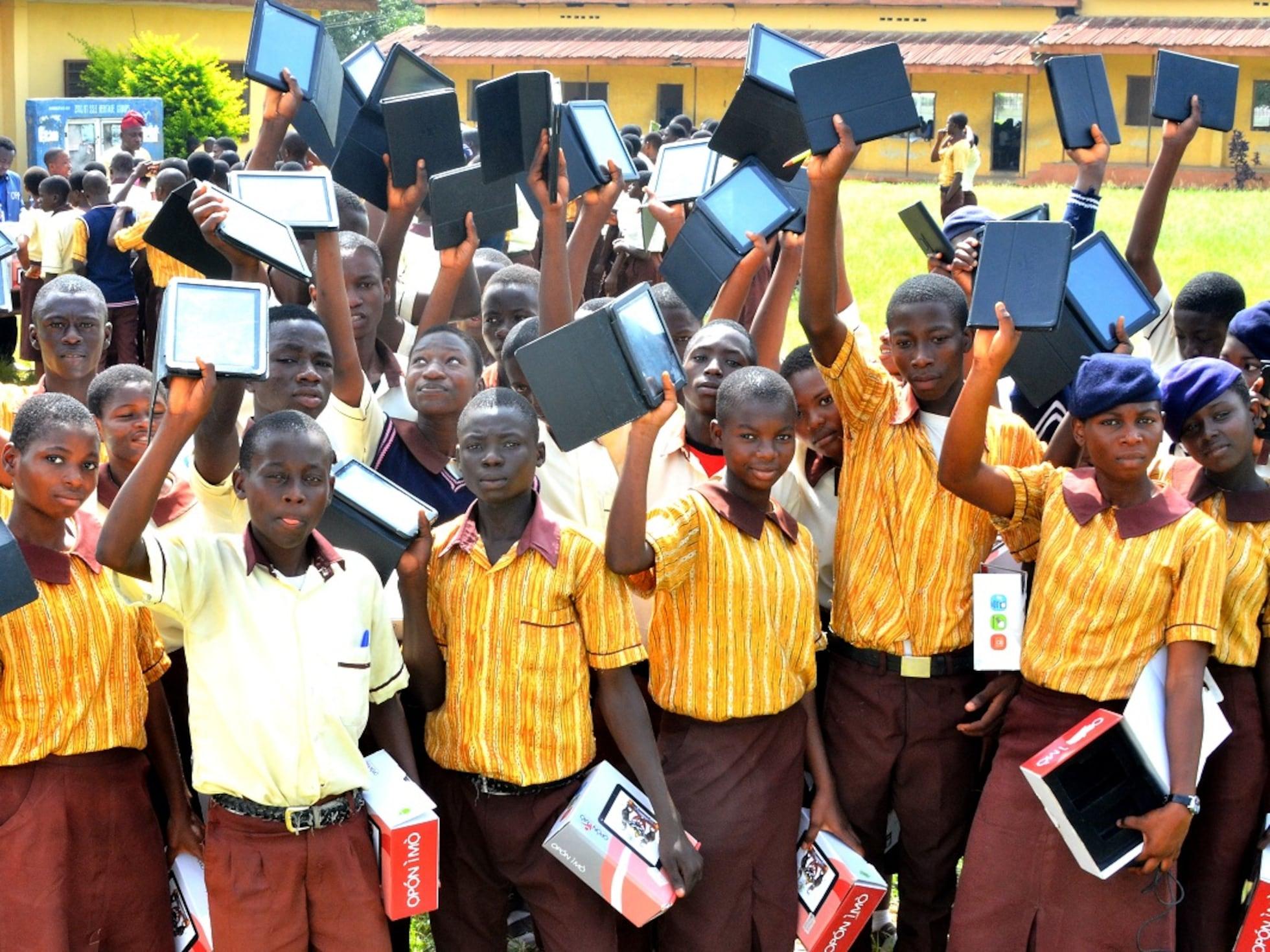
The Federal Government of Nigeria has rolled out 1,000 digital learning devices to students under the NDSTEP initiative as part of efforts to expand access to e-learning, strengthen digital literacy and reduce technological inequality within the education sector. The intervention seeks to improve students' access to electronic educational resources while preparing young Nigerians for an increasingly technology-driven global economy. Its long-term effectiveness will depend on adequate teacher training, reliable electricity, affordable internet connectivity, equipment maintenance and transparent beneficiary selection. The initiative comes amid growing recognition of the importance of digital competencies in improving educational opportunities, developing practical skills and strengthening Nigeria's future workforce.
The Federal Government of Nigeria has rolled out 1,000 digital learning devices to students under the NDSTEP initiative as part of efforts to expand access to technology-driven education, improve digital literacy and bridge the technological divide affecting learners across the country. The intervention comes amid growing recognition of the importance of digital skills in preparing young Nigerians for an increasingly technology-dependent global economy. By providing students with access to electronic learning resources, the initiative seeks to address some of the barriers that have prevented learners from participating effectively in modern educational environments, particularly those whose families cannot afford personal computers, tablets and other digital learning equipment.
The distribution represents another effort to incorporate technology into Nigeria's educational development strategy, with increasing attention being directed toward the relationship between digital literacy, academic performance and future employment opportunities. Across the country, differences in household income, school infrastructure and access to internet connectivity continue to influence the educational opportunities available to students. While some learners have access to computers, online educational platforms and supplementary digital resources, others remain dependent almost exclusively on traditional classroom instruction and printed textbooks. Initiatives such as NDSTEP are intended to reduce those disparities by making technology more accessible to students who might otherwise have limited opportunities to develop essential digital competencies.
The introduction of digital learning devices has the potential to expand educational opportunities beyond the conventional classroom environment. Students with access to appropriate technology can consult electronic textbooks, participate in interactive lessons, conduct independent research and develop practical skills through educational software. These resources can complement classroom instruction by allowing learners to revisit difficult subjects and engage with educational materials at their own pace. However, the effectiveness of the initiative will depend substantially on the availability of suitable learning content, reliable technical support and adequate guidance concerning the responsible use of the devices.
Nigeria's education sector continues to confront significant challenges involving infrastructure, teacher shortages, classroom congestion and unequal access to learning resources. These difficulties are particularly pronounced in economically disadvantaged communities, where schools may struggle to provide sufficient textbooks, laboratory facilities and other essential educational materials. Digital resources could help address some of those limitations by providing students with access to a broader range of information without requiring schools to maintain extensive physical collections. Nevertheless, technology cannot independently resolve structural weaknesses within the education system, making it important for digital interventions to complement investments in conventional educational infrastructure.
The economic circumstances confronting many Nigerian households have also increased the relevance of government-supported digital education programs. Rising living expenses and the cost of imported electronic equipment can place computers and other learning devices beyond the financial reach of numerous families. Even where parents recognize the importance of technology in their children's education, competing household responsibilities may prevent them from purchasing appropriate equipment. Providing devices through publicly funded initiatives could therefore create opportunities for students whose access to digital learning would otherwise be determined by their families' financial circumstances.
The importance of equitable access to technology became particularly evident during the COVID-19 pandemic, when school closures forced educational institutions across the world to adopt alternative teaching arrangements. In Nigeria, the transition to remote learning exposed substantial differences between students who possessed reliable internet access and digital devices and those who lacked such resources. Some private educational institutions were able to continue teaching through online platforms, while many students attending under-resourced schools experienced considerable interruptions to their education. The experience reinforced the need to develop educational systems capable of incorporating technology without excluding learners from disadvantaged backgrounds.
Although schools have since resumed conventional classroom activities, the lessons from that period remain relevant to Nigeria's long-term educational planning. Digital learning infrastructure can provide additional flexibility when ordinary educational activities are interrupted by emergencies, transportation difficulties or other unforeseen circumstances. It can also support students who require supplementary instruction outside regular school hours. Establishing reliable digital education systems therefore involves preparing schools for both contemporary teaching requirements and future circumstances that may affect the continuity of learning.
The distribution of the 1,000 devices also carries significance for Nigeria's ambition to develop a workforce capable of participating in the digital economy. Employers across numerous industries increasingly require workers to possess competencies involving computer applications, online communication, information management and technological problem-solving. These requirements extend beyond occupations traditionally associated with information technology, affecting sectors including banking, agriculture, healthcare, manufacturing, entertainment and public administration. Students who develop relevant competencies during their education may be better positioned to adapt to changing employment requirements as they enter the workforce.
Digital literacy, however, involves more than the ability to operate an electronic device. Students must also develop the capacity to evaluate information critically, communicate responsibly online, protect their personal information and use digital tools to solve practical problems. As artificial intelligence and automated technologies become increasingly integrated into education and employment, the ability to distinguish reliable information from misleading or inaccurate material has become particularly important. Educational programs accompanying the distribution of devices will therefore play an essential role in determining whether students acquire meaningful digital competencies.
The expansion of technology-driven education could also support the development of practical skills in computer programming, graphic design, digital media production, data analysis and entrepreneurship. Exposure to these disciplines at an early stage may help students identify professional interests that would otherwise remain inaccessible within conventional educational settings. For a country with a substantial youth population and considerable employment challenges, strengthening access to practical technological skills could contribute to broader economic development objectives. The potential benefits will depend on whether educational institutions can connect digital learning resources with structured instruction and opportunities for practical application.
Teachers will occupy a central position in determining the effectiveness of the NDSTEP intervention. Providing students with electronic devices without adequately preparing educators to incorporate technology into their lessons could limit the educational value of the investment. Teachers require training in the use of digital learning platforms, electronic assessment tools and methods of integrating technology into existing curricula. They must also be equipped to identify circumstances in which digital resources enhance instruction and situations where traditional teaching methods remain more appropriate.
Professional development for educators could help ensure that the introduction of technology produces measurable improvements in learning rather than simply increasing the number of electronic devices available in schools. Effective digital instruction requires teachers to establish clear learning objectives, monitor student progress and provide guidance appropriate to different levels of ability. Technology can assist with those responsibilities, but it cannot replace the professional judgment and interpersonal support provided by qualified educators. The success of digital education initiatives will consequently depend on strengthening teachers' capabilities alongside expanding students' access to equipment.
Reliable electricity remains another significant consideration for the implementation of technology-based education programs in Nigeria. Many communities experience interruptions to electricity supplies, while some educational institutions operate in areas where access to dependable power remains limited. Students who receive electronic learning devices must have practical opportunities to recharge them regularly, particularly if the equipment is expected to support daily classroom activities and independent study. Without appropriate charging infrastructure, the usefulness of the devices could become severely restricted despite the initial investment in their distribution.
Alternative energy solutions, including solar-powered charging systems, could help educational institutions address some of these difficulties. Such infrastructure may be particularly relevant in rural communities where conventional electricity supplies are unreliable or unavailable. Incorporating energy requirements into digital education planning would help ensure that students are able to use their devices consistently rather than only during periods when electricity is available. The available announcement does not establish whether dedicated charging infrastructure forms part of the current NDSTEP rollout.
Internet connectivity presents a related challenge because access to many digital educational platforms depends on reliable and affordable data services. Although mobile telecommunications networks have expanded considerably across Nigeria, connectivity remains uneven, and the recurring cost of internet access can place additional pressure on households and schools. Students may possess suitable devices but remain unable to use online educational resources consistently if they cannot afford the necessary data subscriptions. This distinction highlights the importance of addressing connectivity alongside the distribution of hardware.
Educational resources designed to operate without continuous internet access could provide an important means of reducing those barriers. Devices equipped with downloadable textbooks, recorded lessons and interactive learning applications may allow students to continue studying even when network connectivity is unavailable. Schools could also establish centralized internet facilities through which educational materials are periodically updated and distributed to students. Whether such arrangements have been incorporated into the 1,000 devices distributed under NDSTEP has not yet been established in the available information.
The geographical distribution of the equipment will be another important factor in evaluating the initiative's contribution to educational equality. Nigeria's educational challenges vary considerably between states, urban communities and rural settlements, making the identification of beneficiaries particularly significant. Students attending schools with limited infrastructure may require different forms of assistance from those enrolled in institutions already possessing computer laboratories and reliable internet access. Transparent selection criteria could help ensure that publicly funded devices reach learners whose educational opportunities are most constrained by inadequate access to technology.
The available announcement has not provided a comprehensive breakdown identifying the participating schools, beneficiary states or educational levels covered by the distribution. It has also not established whether the equipment consists of laptops, tablets or other categories of digital learning devices. These details are important because different types of hardware possess different capabilities and may be appropriate for different educational purposes. Further information concerning the specifications, distribution arrangements and intended beneficiaries would provide a clearer understanding of the intervention's practical scope.
Questions concerning the procurement and long-term maintenance of the equipment will also require attention. Digital devices can become damaged, develop technical faults or require software updates throughout their operational lives. Educational institutions receiving publicly funded equipment need appropriate arrangements for maintenance, repairs and replacement where necessary. Without those provisions, the number of devices remaining functional could decline over time, reducing the educational value of the original investment.
Transparency concerning the financial arrangements underlying the initiative would also assist in evaluating its effectiveness. Information about procurement costs, suppliers, equipment specifications and maintenance obligations could provide a basis for determining whether public resources have been used efficiently. The available announcement does not establish the total amount allocated to the distribution or identify the contractors responsible for supplying the devices. The absence of those details does not establish wrongdoing, but their publication would support greater public understanding of the program and its potential for expansion.
The protection of students' personal information represents another important responsibility associated with digital learning. Educational devices and online platforms may collect information concerning students' identities, academic performance and patterns of technology use. Where children are involved, institutions must exercise particular care to ensure that information is collected and processed responsibly, with appropriate protections against unauthorized access. Schools also need safeguards governing the applications and websites students can access, particularly when devices are intended for use outside supervised classroom environments.
Parents and guardians will consequently have an important role in supporting the initiative. Digital learning devices can provide substantial educational benefits, but they can also expose students to distractions, inappropriate content and online security threats where adequate supervision is absent. Clear guidance concerning responsible technology use could help families establish routines that prioritize learning while allowing children to develop appropriate digital independence. Cooperation between schools and households will be especially important where students are permitted to take the equipment home.
The rollout has broader implications for Nigeria's efforts to expand technological innovation and participation in emerging industries. The country's growing technology sector has demonstrated the potential of digital skills to support business development, financial inclusion, creative industries and employment generation. However, access to those opportunities remains uneven, particularly among young people who have received limited exposure to digital technologies during their education. Initiatives that introduce practical digital learning at an earlier stage could help broaden participation in those sectors over the longer term.
For the NDSTEP initiative, the distribution of 1,000 devices represents a tangible intervention, although its scale remains limited when considered against the educational needs of Nigeria's extensive student population. The program's wider significance will depend on whether the initial distribution forms part of a sustainable expansion strategy capable of reaching additional learners. Establishing measurable objectives, assessing educational outcomes and identifying implementation challenges could provide useful information for determining how future phases should be structured. No confirmed timetable for additional distributions has been established in the available announcement.
Monitoring the academic impact of the initiative will be particularly important in determining whether the investment produces its intended results. Authorities could examine changes in students' digital competencies, academic performance, engagement with educational materials and ability to undertake independent learning. Feedback from teachers, students and parents could also identify difficulties associated with equipment usability, connectivity and curriculum integration. Such assessments would provide a stronger basis for evaluating the program than relying exclusively on the number of devices distributed.
The government's intervention arrives at a time when educational systems worldwide are adapting to rapid technological changes. Artificial intelligence, automated information processing and digital communication platforms are transforming how knowledge is accessed and applied across numerous professional disciplines. Preparing students for that environment requires educational institutions to remain responsive to developments while maintaining strong foundations in literacy, numeracy, critical thinking and ethical reasoning. Access to digital equipment is an important component of that preparation, but its benefits depend on the quality of the education students receive.
Nigeria's latest digital education rollout offers an opportunity to extend technological resources to learners who may have previously lacked adequate access. The provision of 1,000 devices under NDSTEP signals continued attention to digital inclusion, although important questions remain concerning beneficiary selection, equipment specifications, funding arrangements and long-term implementation. Addressing those questions through transparent reporting and effective administrative planning could strengthen public confidence in the initiative while providing a foundation for future expansion.
For the students receiving the equipment, the immediate value of the intervention lies in the opportunity to engage with educational resources and develop competencies increasingly relevant to academic achievement and professional development. For the Federal Government, the larger responsibility involves ensuring that the devices remain functional, accessible and effectively integrated into educational programs. The ultimate success of NDSTEP will therefore be measured not simply by the number of electronic devices distributed but by the extent to which the initiative improves learning outcomes, reduces technological inequality and equips young Nigerians with the skills necessary to participate meaningfully in an increasingly digital world.