
NACOC SAYS COCAINE SUSPECTS WERE UNDER SURVEILLANCE FOR UP TO TWO YEARS
Ghana's Narcotics Control Commission says suspects linked to the nearly 3.9 tonne cocaine shipment intercepted in France had been under surveillance for between one and two years. NACOC says intelligence connected the suspected network to wanted Dutch trafficker Jos Leijdekkers, although the Commission says he had not entered Ghana.
Ghana's Narcotics Control Commission says suspects linked to the nearly 3.9 tonne cocaine shipment intercepted by French authorities had been under surveillance for between one and two years before their arrests.
The disclosure provides a significant new detail in the expanding investigation into one of the largest cocaine shipments linked to Ghana in recent years.
NACOC says intelligence gathered over an extended period led investigators to monitor the activities, movements and connections of people suspected to be part of the network.
The Commission says investigators deliberately waited as they attempted to identify additional individuals connected to the operation before carrying out coordinated arrests.
NACOC has also said its intelligence connects the suspected network to wanted Dutch drug trafficker Jos Leijdekkers, also known as Bolle Jos.
However, the Commission says its intelligence does not indicate that Leijdekkers himself entered Ghana.
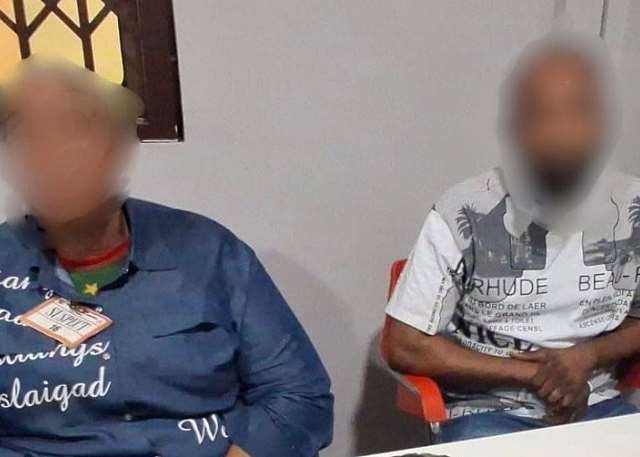
SUSPECTS MONITORED FOR UP TO TWO YEARS
Acting Director of Public Affairs and International Relations at NACOC, PNCO Francis Opoku Amoah, disclosed details of the surveillance operation during an appearance on TV3's KeyPoints on Saturday.
According to him, individuals arrested in connection with the investigation had been on NACOC's radar for some time.
He said intelligence concerning their activities prompted the Commission to place them under surveillance while investigators attempted to determine the appropriate moment to make arrests.
Opoku Amoah estimated that the monitoring lasted between one and two years.
The disclosure indicates that Ghanaian authorities say their investigation into the suspected network began well before French Customs intercepted the massive cocaine consignment.
INVESTIGATORS WANTED TO IDENTIFY WIDER NETWORK
NACOC says investigators did not immediately move against the suspects because intelligence suggested that more than one person was involved.
According to Opoku Amoah, authorities sought to identify other people connected to the operation and, where possible, arrest members of the suspected network at approximately the same time.
The Commission says that strategy informed the coordinated operation that eventually resulted in arrests.
Investigations remain ongoing and NACOC has indicated that additional people could face legal action if evidence connects them to the alleged trafficking network.
The allegations against those arrested remain subject to the legal process.
INTELLIGENCE POINTS TO BOLLE JOS NETWORK
NACOC says intelligence gathered during its investigation identified connections between suspects in Ghana and Dutch fugitive Jos Leijdekkers.
Leijdekkers, widely known as Bolle Jos, is wanted by European authorities and has been convicted in the Netherlands for major cocaine trafficking offences.
He was sentenced in absentia to 24 years imprisonment in the Netherlands for trafficking nearly seven tonnes of cocaine.
Dutch authorities have been seeking him internationally.
European media reports have linked the cocaine shipment intercepted in France to his wider network.
NACOC says the connections identified through its intelligence formed part of the reason suspects in Ghana had remained under surveillance.
NACOC SAYS LEIJDEKKERS DID NOT ENTER GHANA
Despite the alleged connections, NACOC has sought to distinguish between the activities of suspected associates in Ghana and Leijdekkers' own whereabouts.
The Commission says available intelligence indicates that the Dutch fugitive had not entered Ghana.
European authorities have previously indicated that they believe Leijdekkers has been hiding in Sierra Leone.
His precise current location has not been publicly established.
The distinction is significant because claims circulating around the investigation have raised questions about whether the fugitive trafficker himself had been operating from Ghana.
NACOC's position is that suspected associates were operating in Ghana, not that Leijdekkers was physically present in the country.
NEARLY FOUR TONNES OF COCAINE INTERCEPTED
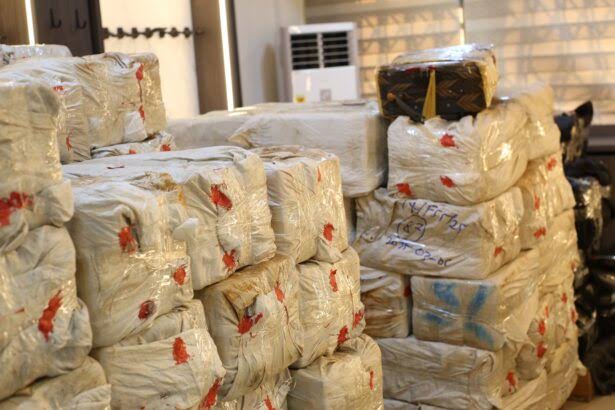
The investigation intensified after French Customs intercepted nearly 3.9 tonnes of cocaine concealed in a container carrying plastic waste originating from Ghana.
French authorities valued the cocaine at approximately €225 million.
The shipment was intercepted at the Port of Dunkirk and was reportedly connected to a route towards Antwerp in Belgium.
The scale of the seizure immediately raised questions in Ghana over how such a large quantity of suspected narcotics could have moved through the country's export system without being detected.
Investigators are examining the movement of the containers, freight arrangements, export documentation, scanning procedures and the roles of people who handled or cleared the shipment.
CUSTOMS OFFICIALS AMONG THOSE FACING CHARGES
The investigation has expanded beyond alleged members of the trafficking network to include officials involved in processing the containers.
Six people appeared before the Kwabenya Circuit Court on September 17 in connection with the alleged export of the cocaine.
Four of those accused are linked to the Ghana Revenue Authority and face allegations relating to the Customs scanning process at Tema Port.
The six were denied bail and remanded while investigations continue.
Separate court proceedings have also been initiated against other suspects alleged to have played roles in the trafficking operation.
The charges remain allegations and the accused are entitled to the presumption of innocence until proven guilty.
MAHAMA ORDERS INTER AGENCY RESPONSE
The scale of the case has also prompted action from President John Dramani Mahama.
Following a meeting with security chiefs, the President ordered the establishment of an inter agency task force to develop a roadmap aimed at strengthening Ghana's ability to prevent narcotics trafficking through its borders.
The task force has been given two weeks to submit its recommendations.
Officials are reviewing security arrangements at Ghana's ports as well as intelligence sharing, container inspection and scanning procedures.
The government says 10 individuals, including four Customs officers, are being held as different aspects of the investigation continue.
NEW DISCLOSURE CHANGES TIMELINE OF INVESTIGATION
NACOC's disclosure that suspects had been monitored for as long as two years adds an important dimension to the case.
Until now, much of the public attention had focused on the French seizure and the arrests that followed.
The Commission's latest account indicates that Ghanaian investigators say they had already identified and were monitoring suspected members of the network long before the cocaine was intercepted in Europe.
That raises further questions about what authorities knew during the surveillance period, what evidence was being gathered and whether earlier intervention could have prevented the shipment from leaving Ghana.
Those questions are likely to become part of the wider scrutiny surrounding the case.
The investigation must also establish how nearly four tonnes of cocaine allegedly passed through Ghana's export controls despite the intelligence operation already underway.
For now, NACOC says the prolonged surveillance was intended to identify the wider network and allow investigators to act against multiple suspects.
As Ghanaian and international authorities continue their investigations, attention will increasingly focus not only on those accused of organizing the shipment but also on the systems and officials responsible for preventing narcotics from passing through Ghana's borders.