
FOREIGN AFFAIRS MINISTRY SEEKS AUDIT OF EVACUATION SPENDING GOING BACK TO 2017
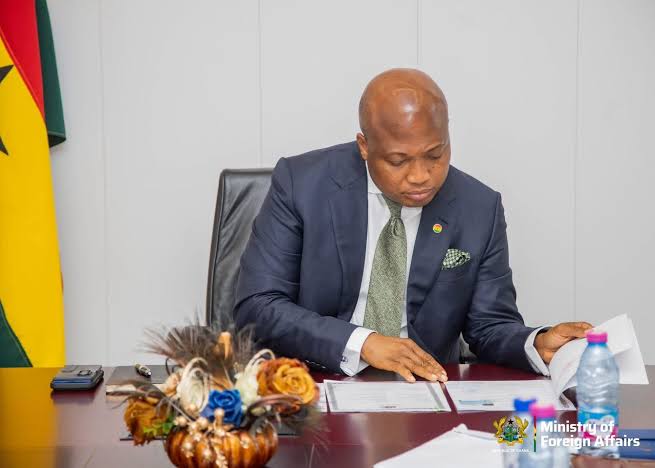
Ghana's Foreign Affairs Ministry has asked the Auditor General to conduct a special audit of government funded emergency evacuation exercises dating back to 2017. The review will cover operations involving COVID 19, Ukraine, Sudan and the recent GH¢49.72 million South Africa evacuation, while allowing other relevant exercises to be examined.
Ghana's Ministry of Foreign Affairs has formally asked the Auditor General to conduct a special audit of government funded emergency evacuation exercises dating back to 2017, significantly widening scrutiny beyond the recent GH¢49.72 million operation that brought Ghanaians home from South Africa.
The Ministry wants an independent examination of the financial and administrative arrangements surrounding evacuations undertaken to assist Ghanaian nationals facing emergencies abroad.
The proposed audit is expected to examine at least four major operations, including the COVID 19 evacuations in 2020, the evacuation of Ghanaians from Ukraine in 2022, Sudan in 2023 and the recent South Africa operation in 2026.
The Auditor General has also been invited to examine any other government funded evacuation considered relevant.
The move comes amid continuing scrutiny over the cost of the South Africa operation, particularly the GH¢27.18 million spent on chartered flights.
AUDIT TO EXAMINE EACH EVACUATION SEPARATELY
According to the Ministry's request, the Auditor General is being asked to conduct a distinct assessment of each evacuation exercise.
The review is expected to establish the costs associated with each operation and provide findings, observations and recommendations.
It will also examine common issues identified across the different evacuations and recommend measures that could improve future emergency responses.
The Ministry says the exceptional circumstances surrounding emergency evacuations should be taken into consideration when examining expenditure.
Such operations can require urgent arrangements for flights, accommodation, transportation, consular assistance, logistics, medical services and psychosocial support.
REVIEW COVERS DIFFERENT ADMINISTRATIONS
The decision to examine evacuation exercises from 2017 means the audit will extend across different periods of government.
The COVID 19 evacuation took place in 2020, while Ghana's evacuation of nationals following Russia's invasion of Ukraine occurred in 2022.
Another emergency operation was conducted following the outbreak of conflict in Sudan in 2023.
The latest exercise involved Ghanaians returning from South Africa in 2026 following renewed concerns over xenophobic attacks.
By requesting a review stretching back several years, the Ministry has broadened the examination beyond expenditure incurred under the current administration.
The audit request does not establish financial wrongdoing in any of the operations. Its purpose is to independently examine how public resources were managed and identify areas requiring improvement.
SOUTH AFRICA SPENDING TRIGGERED SCRUTINY
The request follows controversy surrounding the cost of the recent South Africa evacuation.
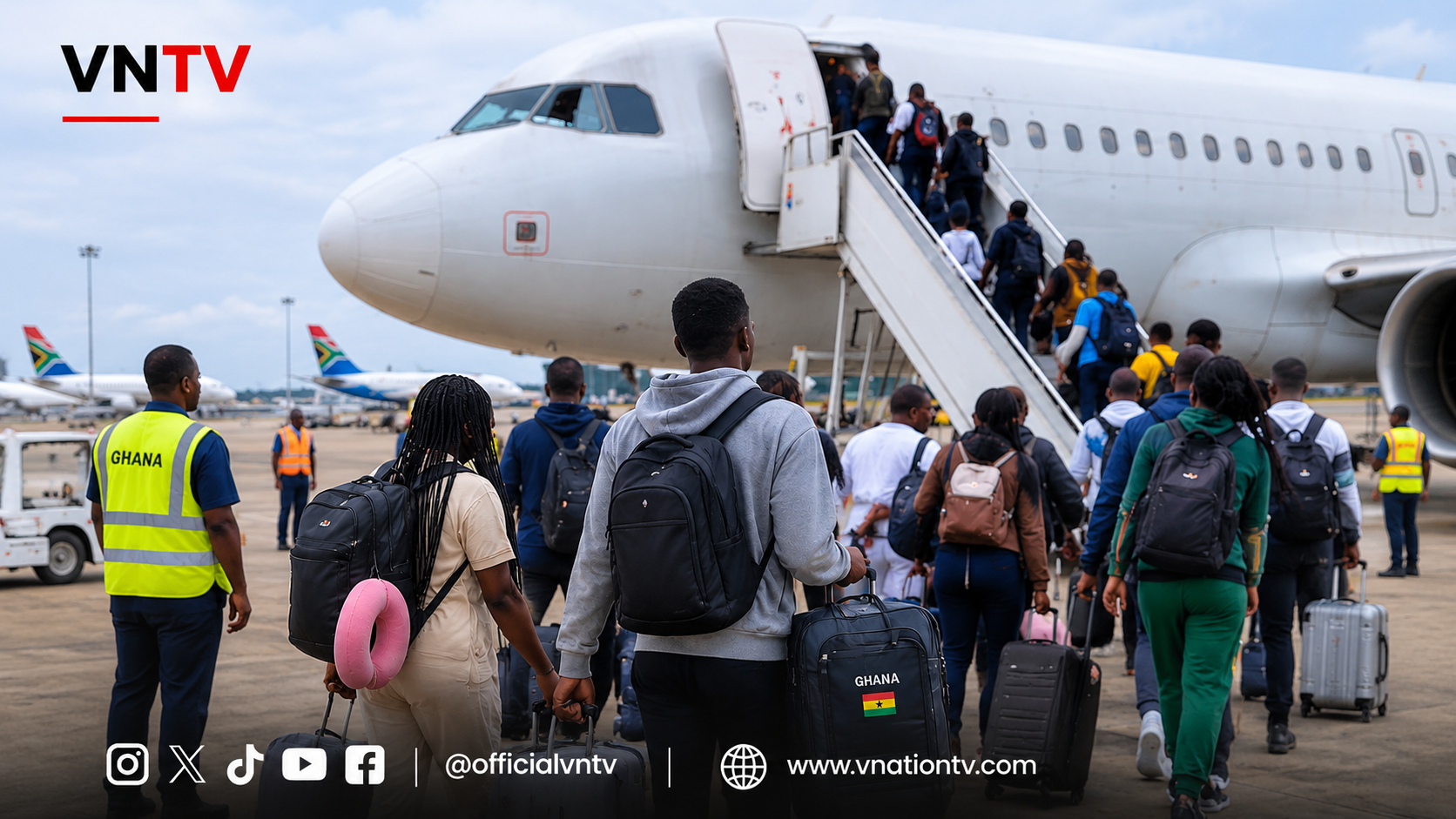
The operation brought 1,964 Ghanaians home between May 27 and September 4 at a total reported cost of GH¢49,721,786.
Government financed GH¢33,721,786 of the operation, while Engineers and Planners contributed GH¢16 million.
The Ministry's financial breakdown shows that GH¢27,183,700 was spent on chartered flights.
Another GH¢9,420,463.68 was spent on commercial airline tickets and layover expenses, taking expenditure directly associated with air transportation above GH¢36.6 million.
The operation also included ground transportation, feeding, accommodation, medical services, communications and other logistics.
GH¢10.8 MILLION SPENT ON RETURNING GHANAIANS
Another major component of the South Africa expenditure was GH¢10.802 million allocated to reintegration and transportation allowances.
Each returnee received GH¢5,000 as a reintegration grant and GH¢500 for transportation, amounting to GH¢5,500 per person.
The government said the assistance was intended to provide immediate support to evacuees returning to Ghana.
Other costs included ground transportation in South Africa, food, accommodation, medical services and the repatriation and autopsy of two deceased Ghanaian nationals.
The government says the full evacuation bill has been settled.
MINORITY DEMANDED FINANCIAL RECORDS
The expenditure has faced scrutiny from the Minority in Parliament.
Deputy Ranking Member of Parliament's Foreign Affairs and Regional Integration Committee Nana Asafo Adjei Ayeh submitted a Right to Information request seeking detailed financial and operational records.
The request sought documents covering flights, procurement procedures, payments, private sector contributions and support provided to returning Ghanaians.
The Foreign Affairs Ministry has since submitted a response exceeding 200 pages.
According to the Ministry, the documentation contains details concerning more than 1,900 evacuees as well as financial and administrative information surrounding the operation.
AUDITOR GENERAL ASKED FOR INDEPENDENT REVIEW
The latest step moves scrutiny beyond exchanges between the government and the Minority.
The Auditor General is now being asked to independently assess government funded evacuation spending across several years.
The Ministry says it will cooperate with the review and provide relevant financial and administrative records in its possession.
The audit could provide a clearer comparison of how different evacuation operations were financed and administered under varying emergency circumstances.
It could also identify weaknesses in procurement, documentation, internal controls or emergency planning if such issues are found.
AUDIT COULD SHAPE FUTURE EVACUATIONS
Emergency evacuations often require governments to make significant financial commitments within short periods.
Flights can have to be chartered at short notice, while diplomatic missions may need to arrange temporary accommodation, ground transportation, food, emergency travel documents and medical assistance.
Those circumstances can make conventional planning and procurement more difficult.
The Foreign Affairs Ministry says the special audit is intended not only to examine past expenditure but also to identify lessons that could improve Ghana's preparedness for future emergencies.
The Auditor General has therefore been asked to provide recommendations aimed at strengthening internal controls and financial accountability.
The eventual findings could provide the most comprehensive independent examination yet of Ghana's spending on emergency evacuations abroad.
Until that audit is completed, however, questions about individual expenditure items remain matters for examination rather than evidence of financial misconduct.