
DANGOTE MOVES AHEAD WITH MASSIVE $16 BILLION EAST AFRICA OIL REFINERY IN KENYA
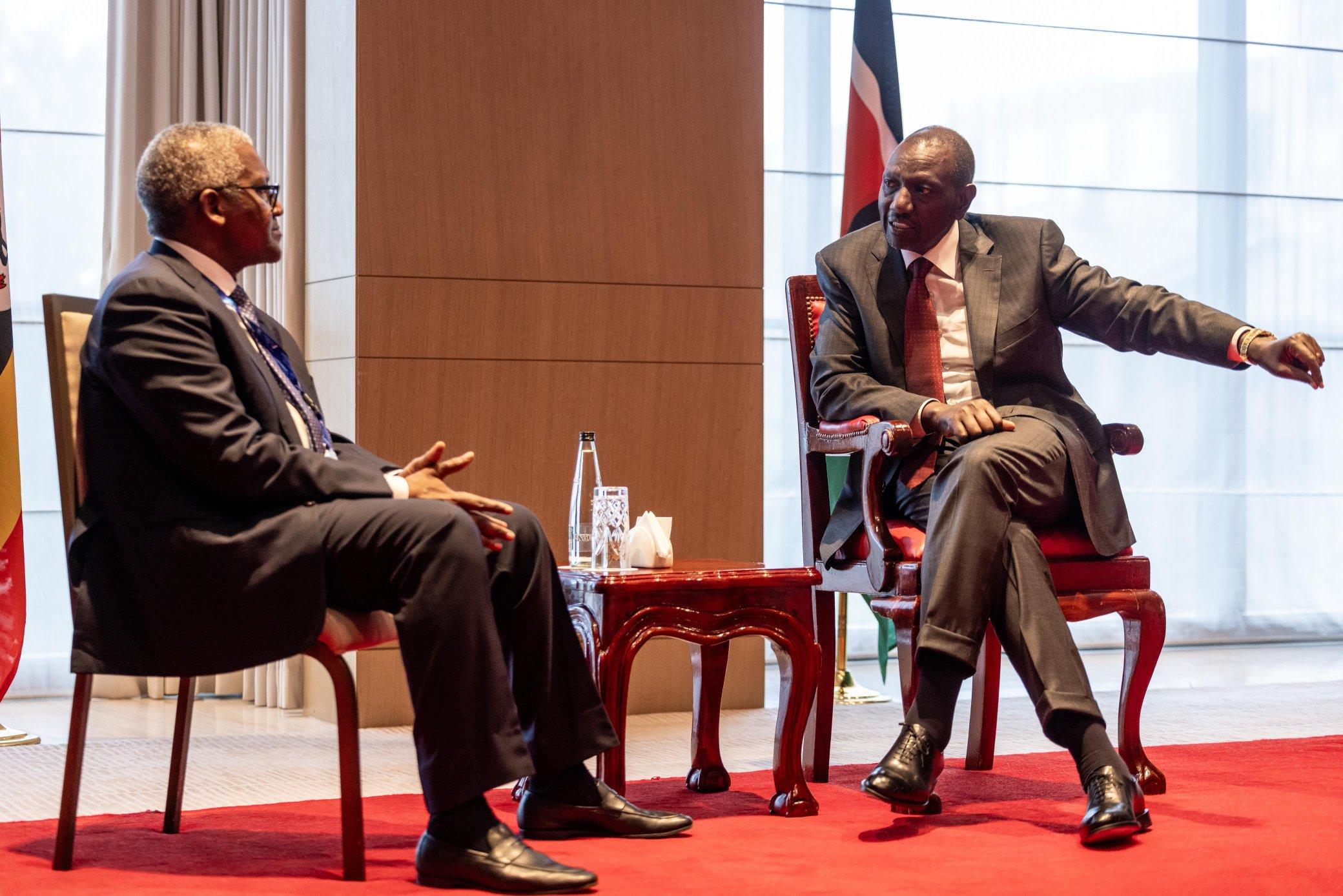
Nigerian billionaire Aliko Dangote and Kenyan President William Ruto are moving ahead with construction of a $16 billion oil refinery in Lamu that could fundamentally reshape East Africa's energy market. The proposed 700,000 barrel per day facility is targeted for completion by 2030, could create more than 50,000 jobs and is intended to reduce the region's heavy dependence on imported petroleum products. But questions over financing, crude supply, infrastructure and environmental concerns remain major tests for the ambitious project.
Nigerian billionaire Aliko Dangote and Kenyan President William Ruto are set to break ground on a massive $16 billion oil refinery in Lamu, pushing forward one of the largest proposed industrial investments in East Africa.
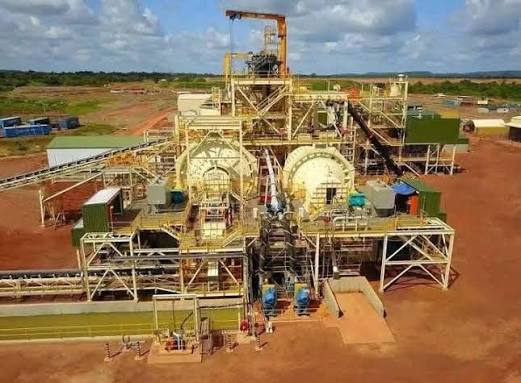
The refinery is planned as a 700,000 barrel per day facility capable of supplying petroleum products across Kenya and the wider East African region.
Construction is expected to run through 2030.
If completed at its planned capacity, the project could dramatically alter the region's energy landscape by replacing a significant share of imported refined petroleum with fuel processed within East Africa.
Dangote told reporters in Nairobi that the broader objective is to increase Africa's ability to process the products it consumes instead of remaining heavily dependent on imports.
The project follows the model of Dangote's enormous refinery in Lagos, Nigeria, which has transformed Nigeria from a country heavily dependent on imported fuel into an increasingly important exporter of refined petroleum products.
Dangote is now attempting to reproduce that model on the opposite side of the continent.
700,000 BARRELS PER DAY PLANNED FOR LAMU
The proposed Kenyan refinery would have a processing capacity comparable to Dangote's Nigerian facility.
At 700,000 barrels per day, it would become one of Africa's largest refineries.
The project is expected to be built within the Lamu Port South Sudan Ethiopia Transport Corridor special economic zone near Kenya's second deep water port.
Its coastal position is strategically important.
A refinery of this scale requires enormous quantities of crude oil, making access to shipping infrastructure essential if sufficient feedstock cannot be obtained from East African producers.
Regional demand is already substantial.
David Ndii, chief economic adviser to President Ruto, estimates that East Africa consumes between 20 million and 30 million metric tons of petroleum products annually.
One financier involved in African refinery projects told Reuters that satisfying the region's demand could ultimately require more than one million barrels per day of refining capacity.
That provides the economic argument behind the Lamu project.
Instead of spending billions of dollars every year importing petrol, diesel and other finished petroleum products, East African governments want more of that processing to take place within the region.
KENYA SPENDS BILLIONS IMPORTING PETROLEUM
Kenya's exposure to imported petroleum provides one of the clearest reasons for the government's support.
The country spent roughly $4 billion importing petroleum products last year, according to official data cited by Reuters, making petroleum Kenya's largest import.
That means fluctuations in international oil prices and foreign exchange markets can quickly affect transportation costs, businesses and households.
President Ruto has argued that developing domestic and regional refining capacity could reduce that vulnerability.
The Kenyan government has also been dealing with sharp increases in international fuel prices during 2026.
In May, Ruto said the government had committed billions of Kenyan shillings to fuel price support and tax relief measures to protect consumers from the effects of higher international prices.
A regional refinery therefore fits into a wider Kenyan strategy of reducing dependence on external petroleum supply chains.
EAST AFRICAN GOVERNMENTS OFFERED 30 PERCENT
Dangote has offered governments across East Africa a combined 30 percent equity stake in the refinery.
Countries previously identified as possible participants include Uganda, Tanzania, Rwanda and South Sudan.
Details of how the equity would be divided and which governments will ultimately participate have not yet been finalized publicly.
Regional government participation could provide both additional financing and political support for a refinery designed to serve several countries rather than Kenya alone.
The project is also expected to stimulate industries beyond conventional fuel production.
Officials say petrochemical and bitumen businesses could develop around the refinery, creating a wider industrial complex.
More than 50,000 jobs could ultimately be created, according to projections surrounding the development.
Those numbers remain projections and will depend on the scale and successful implementation of the project.
BIG QUESTION OVER WHERE THE CRUDE WILL COME FROM
Building the refinery is only one challenge.
Keeping a 700,000 barrel per day refinery supplied with crude oil is another.
Unlike Nigeria, Kenya does not currently have commercial crude production large enough to supply a facility of this scale.
Potential regional sources include Uganda, South Sudan and Kenya's own oil reserves.
But each presents complications.
Uganda's crude export infrastructure is oriented toward Tanzania through the East African Crude Oil Pipeline.
South Sudan currently exports through Sudan, where conflict and instability have repeatedly affected petroleum infrastructure.
Kenya has discovered oil in the Turkana region but has struggled for years to move into large scale commercial production.
Without sufficient regional supplies, the Lamu refinery could have to import substantial quantities of crude by sea.
That would still allow East Africa to refine petroleum locally, but it would leave the project exposed to international crude prices and geopolitical disruptions.
$16 BILLION PROJECT ALSO FACES FINANCING TEST
Financing will be another major challenge.
Dangote has estimated the refinery will cost between $15 billion and $16 billion.
The group is considering several financing options, including internal cash flow, bonds and equity investment.
Regional governments taking stakes could provide another source of capital.
But the Lamu project is only one part of Dangote's enormous investment program.
The group has announced plans involving tens of billions of dollars in energy investments through 2030, including a major expansion of its Nigerian refinery.
Analysts have therefore cautioned that raising sufficient capital for multiple projects of this scale will require substantial financing.
LAMU ENVIRONMENTAL AND HERITAGE CONCERNS
The project is also facing opposition from environmental campaigners and some local residents.
Lamu Old Town, located approximately 10 kilometers from Lamu Port, is recognized as a UNESCO World Heritage site.
Environmental groups have raised concerns about possible damage to marine ecosystems and the wider environmental consequences of developing a huge petroleum complex in the area.
Kenya's High Court has ordered that parts of the proposed project area be preserved while a case brought by local residents is heard.
That litigation could affect construction depending on how the legal proceedings develop.
Dangote has pushed back against opposition to the refinery, arguing that some resistance comes from businesses whose existing petroleum import models could be disrupted by local refining.
That remains Dangote's characterization of the opposition. Environmental campaigners and residents have separately raised environmental, land and heritage concerns.
WHAT HAPPENS NEXT
The groundbreaking represents an important step, but the next several years will determine whether the refinery can meet its ambitious 2030 completion target.
Financing must be secured, environmental and legal issues resolved, infrastructure developed and reliable crude supplies established.
Regional governments will also have to decide whether to accept Dangote's offer to collectively acquire 30 percent of the project.
If the refinery reaches its proposed 700,000 barrel per day capacity, its impact could extend far beyond Kenya.
It could create a new petroleum processing center serving one of Africa's fastest growing regions, reduce demand for imported refined fuel and support the development of associated industries.
But the scale that makes the project potentially transformative also makes it difficult to execute.
Dangote successfully built a refinery of similar scale in Nigeria after years of delays and major cost increases.
Lamu will now test whether that model can be successfully replicated in East Africa.