D CRYME CALLS FOR MUSEUM AND PODCAST STUDIO TO HONOUR DR DUNCAN AS GHANA MUSIC INDUSTRY IS URGED TO CELEBRATE LEGENDS WHILE THEY ARE ALIVE
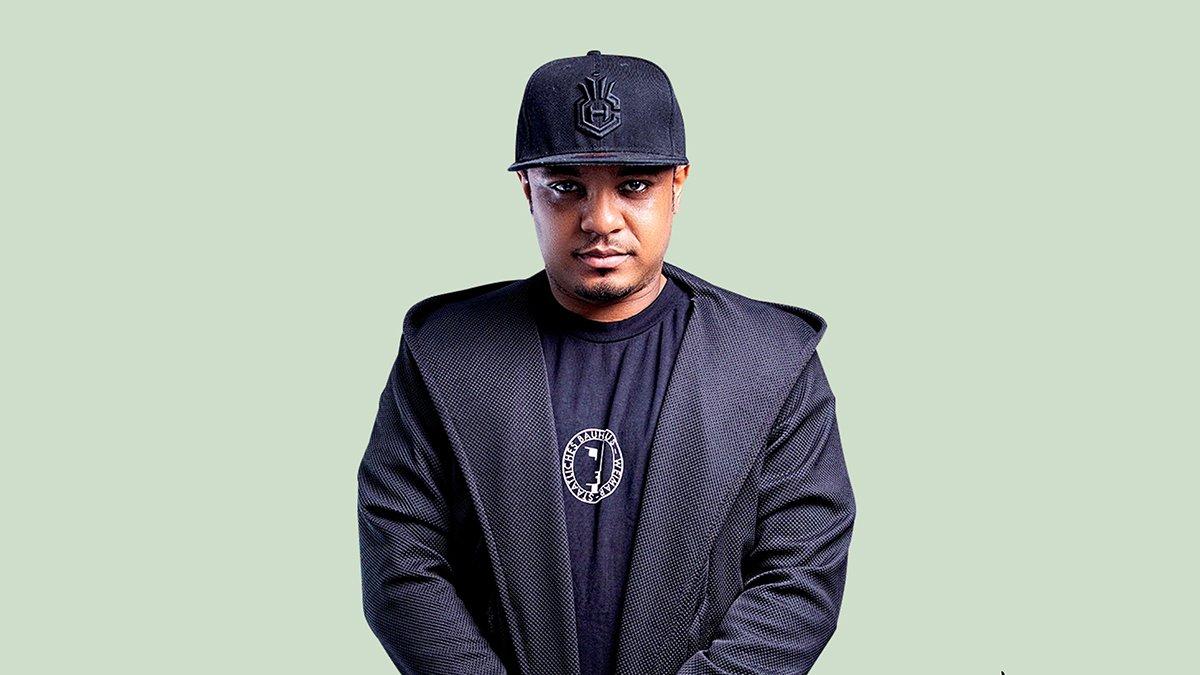
Ghanaian musician D Cryme has called on the entertainment industry to establish a museum and podcast studio in honour of veteran broadcaster Dr Duncan. Speaking on Joy FM’s Showbiz A-Z, D Cryme said the industry should celebrate Dr Duncan while he is alive and preserve the history of his influential Kasahare Level programme on Adom FM. The show became an important platform for emerging rappers during the 2000s and is associated with the early careers of artistes including Sarkodie, Stonebwoy, D Cryme, Yaa Pono, Edem, Guru, Kwaw Kese and others. D Cryme has urged musicians and industry stakeholders who benefited from the platform to combine their resources to make the proposed tribute possible.
Ghanaian musician D Cryme has called on the country’s music and entertainment industry to establish a museum and podcast studio in honour of veteran broadcaster Dr Duncan, arguing that his contribution to Ghanaian music deserves to be preserved and celebrated while he is still alive. Speaking on Joy FM’s Showbiz A-Z, D Cryme said Dr Duncan’s influence on the development of young artistes through Adom FM’s Kasahare Level programme was too significant to be remembered only through occasional tributes. He urged musicians, industry executives and other beneficiaries of the platform to pool their resources and create a permanent project that documents Dr Duncan’s work, preserves the history of Kasahare Level and gives the broadcaster another platform through which he can continue sharing his knowledge with younger generations.
D Cryme’s proposal goes beyond the traditional idea of presenting an award or erecting a statue. He argued that Dr Duncan deserves what he described as a major museum dedicated to his contribution to Ghanaian popular music, together with a podcast studio that could allow him to continue interviewing artistes, discussing the industry and sharing stories from one of the most important periods in the development of modern Ghanaian rap. D Cryme said recognition should come during Dr Duncan’s lifetime rather than after his death, stressing that people who benefited from his platform should openly acknowledge what he contributed to their careers while he can still experience that appreciation himself.
The call has attracted attention because Kasahare Level occupies a distinctive place in Ghana’s music history. The programme, which aired on Adom FM and was first hosted by Dr Duncan, became one of the country’s best-known platforms for aspiring rappers during the 2000s. Young artistes were given the opportunity to perform live, take part in lyrical battles and expose their abilities to a much wider audience at a time when radio remained one of the most important routes into the mainstream music industry. Academic research on the programme describes Kasahare Level as one of Ghana’s longest-running youth-focused radio shows and notes that it provided a competitive but accessible space for emerging performers to demonstrate their lyrical ability before listeners.
For many aspiring rappers, appearing on Kasahare Level was not simply about winning a contest. It was an opportunity to be heard by producers, managers, established musicians and audiences who might otherwise never have encountered them. Ghana’s music industry at the time offered fewer digital platforms than exist today, meaning radio exposure could dramatically change the prospects of an underground artiste. Social media had not yet become the dominant promotional tool it is now, streaming services were not central to music discovery, and an emerging rapper often needed the attention of a radio presenter or producer to move beyond local recognition.
This made Dr Duncan’s position unusually influential. By providing airtime to young performers, he was effectively opening one of the most difficult doors in the entertainment industry. The platform did not guarantee success, but it gave artistes a chance to prove themselves publicly. Several musicians who later became major names in Ghanaian music have been associated with the programme, including Sarkodie, Yaa Pono, Pope Skinny, Stonebwoy, D Cryme, Criss Waddle, Yaw Siki, Edem, Guru, Kwaw Kese, Kofi Korea and others. MyJoyOnline’s October 18 report specifically identified those artistes among the musicians whose early development was connected to the exposure provided by Kasahare Level.
Sarkodie’s connection to the programme is particularly important because his later career became one of the clearest examples of how an underground rapper could move from radio battles into national and international recognition. MyJoyOnline has previously documented how Sarkodie appeared on Kasahare Level while still trying to establish himself and how Duncan Williams, known publicly as Dr Duncan, became one of the people who helped guide his early progress. Other accounts of Sarkodie’s career similarly identify the programme as an important stage in his emergence from Tema’s underground rap scene.
Stonebwoy’s early career also intersected with Dr Duncan’s platform. Music producer Kwik Action previously recounted that after appearing on Kasahare Level, Dr Duncan contacted him about Stonebwoy and helped create a connection that eventually contributed to the young artiste meeting producers and established musicians. Kwik Action later said he personally introduced Stonebwoy to Samini, demonstrating how radio exposure could lead to relationships beyond the programme itself. That wider network effect is one of the reasons supporters consider Dr Duncan’s contribution important: the show did not merely provide microphone time but could connect unknown artistes to the professional music ecosystem.
D Cryme himself is part of that history. Before becoming widely known for songs including Kill Me Shy and later building his own recording and entertainment career, he gained underground recognition through Kasahare Level. Biographical accounts of his career describe his participation in the programme as one of the experiences that helped increase his visibility before he secured a recording deal. That personal connection gives additional weight to his current call for Dr Duncan to be honoured, because he is speaking not simply as an outside observer but as one of the artistes who benefited from the platform.
During the Joy FM interview, D Cryme said Dr Duncan deserved more than a symbolic tribute. He spoke of a substantial museum that could preserve memorabilia, recordings and the history associated with the broadcaster’s work. Such a project could potentially document not only Dr Duncan’s personal career but also the wider story of Ghanaian rap and hiplife during a period when radio contests played a major role in discovering talent. Although no formal architectural plan, budget or institution has yet been announced, D Cryme’s proposal raises a broader question about how Ghana preserves the history of its entertainment industry.
The musician also suggested establishing a dedicated podcast studio for Dr Duncan. His reasoning is that the veteran broadcaster still has knowledge, experience and stories that can be shared with audiences. D Cryme argued that podcasting offers a modern format through which Dr Duncan could continue engaging the industry rather than being treated solely as a historical figure. In that sense, the proposal is not only about preserving the past but also about creating a new platform for future conversations.
Podcasting has grown substantially in Ghana and across Africa as audiences increasingly consume long-form discussions through YouTube, Spotify and other digital platforms. A Dr Duncan-led podcast could potentially allow him to interview established artistes who once appeared on Kasahare Level, mentor emerging talent and document stories about the development of Ghanaian hip-hop and hiplife that may never have been formally recorded. Such a programme could also preserve oral history from producers, DJs, radio hosts and musicians whose contributions might otherwise disappear as the industry changes.
D Cryme stressed that the initiative should not depend on one person alone. He said he has repeatedly discussed the idea with friends and colleagues and believes those who share the vision should combine their resources. His position is that many artistes who benefited from Kasahare Level have since achieved professional success, meaning a collective effort could potentially finance a meaningful tribute without waiting for government intervention or a single wealthy sponsor.
That proposal touches on an issue that repeatedly arises in Ghana’s creative sector: whether industry veterans receive sufficient recognition while they are alive. Tributes often become most visible after the death of a broadcaster, musician, actor or producer, when colleagues publicly recount the person’s impact and calls emerge for memorials, state recognition or posthumous awards. D Cryme is arguing for the opposite approach. He wants the recognition to happen now, when Dr Duncan can see it, participate in it and potentially use it as a platform for further work.
The idea has relevance beyond one broadcaster because Ghana’s music industry has undergone enormous change over the past two decades. The rise of streaming platforms, social media, online music videos and direct digital distribution has transformed how new artistes are discovered. A young rapper can now upload a freestyle to TikTok, YouTube or Instagram and potentially reach thousands or millions of people without first appearing on traditional radio. During the peak years of Kasahare Level, those options were far more limited.
That makes programmes such as Kasahare Level historically important. They served as physical and broadcast spaces where young people could compete, learn and receive public feedback. The programme’s format centred on live freestyle performances and lyrical battles, with listeners participating through calls and voting. Academic research has described the programme’s public participation and competitive atmosphere as central to its appeal, helping to build a culture around rap performance and lyrical skill.
Adom FM later continued the Kasahare brand with new hosts and competitions, maintaining its reputation as a talent-discovery platform. In subsequent years, station officials continued to describe the programme as a route through which emerging rappers could be discovered and connected to producers. Coverage from AdomOnline has repeatedly identified artistes such as Sarkodie, Kwaw Kese, Edem, Yaa Pono and Pope Skinny among the musicians associated with its history.
A dedicated museum could therefore serve several purposes if the proposal were developed seriously. It could archive audio recordings from historic rap battles, photographs, handwritten lyrics, awards, studio equipment, promotional materials and interviews with artistes who passed through the programme. It could also provide younger Ghanaians with a physical space where they could learn about the evolution of hiplife, hip-hop and contemporary Ghanaian music.
Such a museum would also contribute to cultural tourism. Around the world, music museums dedicated to influential artistes, studios and genres attract visitors because they allow fans to connect with cultural history in a physical setting. Ghana has a rich musical heritage spanning highlife, hiplife, gospel, reggae, dancehall, hip-hop and newer Afrobeats-influenced sounds, but much of that history remains scattered across private collections, old radio archives and personal memories.
Preservation becomes more difficult when recordings were originally made on older formats or stored without long-term archival planning. Radio stations may have thousands of hours of historic audio, but unless those materials are digitised and catalogued, they can deteriorate or become inaccessible. A Dr Duncan museum could potentially become part of a broader effort to rescue and preserve such recordings.
The proposed podcast studio could complement that archival work by collecting new interviews. Artistes who appeared on Kasahare Level could return to discuss their experiences in detail, creating a living record of how Ghana’s music industry evolved. Producers could explain how they discovered performers, broadcasters could discuss programming decisions, and younger artistes could compare today’s digital environment with the radio-driven system of the 2000s.
The idea also recognises that veteran broadcasters can remain professionally valuable even after the media environment changes. Experience in interviewing, identifying talent and understanding audiences does not become irrelevant simply because new technologies emerge. A podcast would allow Dr Duncan’s skills to be adapted to a digital environment rather than being confined to nostalgia.
There are practical questions that would need to be answered before such a project could move beyond discussion. A museum would require a suitable location, management structure, funding, preservation expertise and a collection substantial enough to justify permanent operation. A podcast studio would need equipment, production staff, a distribution strategy and a sustainable financial model. None of those details has yet been announced.
D Cryme’s comments should therefore be understood as a public proposal rather than a confirmed project. There is currently no evidence that construction has begun, that a formal fundraising campaign has been launched or that Dr Duncan has signed an agreement to host a podcast. The importance of the remarks lies in the conversation they have started about recognition and preservation.
Industry participation would be especially important if the concept develops. Artistes who benefited directly from Kasahare Level could contribute financially, donate memorabilia or participate in recordings. Media organisations could provide archived footage and audio. Corporate sponsors could fund equipment or exhibitions, while universities and cultural institutions could assist with documentation and preservation.
The government could also potentially play a role through cultural agencies, although D Cryme’s current proposal is primarily directed at industry stakeholders. Ghana has increasingly discussed the creative economy as an area capable of generating jobs, tourism and international cultural influence. Preserving the history of successful entertainment platforms could fit into that wider strategy.
There is also an educational dimension. Young musicians often know the most visible stars of the present but may have limited access to detailed information about the systems that helped earlier generations emerge. A museum documenting Kasahare Level could show how talent development worked before streaming and viral social media, while a podcast could allow younger performers to learn directly from people who experienced that period.
The story of Kasahare Level is also closely linked to Tema’s importance in Ghanaian rap. The city became a major centre of underground hip-hop and hiplife culture, producing or nurturing several artistes who later achieved national recognition. Dr Duncan’s show offered that local talent a route into wider Ghanaian consciousness.
This helps explain why D Cryme’s proposal has emotional significance for some musicians. To them, Dr Duncan is not simply a radio personality who played songs. He represents a period when an established broadcaster was willing to give unknown young performers airtime and allow them to prove themselves in front of a national audience.
That opportunity could be career-changing. For an emerging artiste without money for a major promotional campaign, radio exposure could attract management interest, recording opportunities or invitations to perform. Even those who did not become stars gained experience performing under pressure and receiving direct public reaction.
The programme also encouraged competition. Rap battles require performers to think quickly, develop strong lyrical identities and respond to rivals. That environment helped sharpen the abilities of participants and contributed to the competitive character of Ghanaian rap during the period.
D Cryme’s suggestion that beneficiaries should now contribute towards honouring the person who provided that platform is therefore rooted in a sense of reciprocity. His argument is that artists should not wait until a mentor or industry figure dies before explaining how important that person was to their success.
That message extends beyond Dr Duncan. Ghanaian entertainers have repeatedly called for better treatment of ageing actors, musicians, producers and broadcasters, particularly when financial or health difficulties become public. Those discussions often emerge after decades in which individuals contributed to the industry without building strong pension or welfare systems.
A museum and podcast project would represent a different form of recognition because it would not be centred on charity. Instead, it would position Dr Duncan’s career as a cultural asset worth preserving and continuing. That distinction may be important in changing how the industry thinks about veteran professionals.
It would also allow Dr Duncan to tell his own story rather than having others reconstruct it later. Broadcasters who worked during earlier stages of Ghana’s commercial radio expansion witnessed major changes in music, technology and audience behaviour. Their memories can provide context that is difficult to recover from published articles alone.
Dr Duncan could potentially discuss how he selected contestants, what he looked for in emerging rappers, how audiences responded to different performers and which moments convinced him that particular artistes could become major stars. Those stories would be valuable both as entertainment and as historical documentation.
The long list of artistes associated with Kasahare Level gives the idea considerable material to work with. Sarkodie went on to become one of Ghana’s most internationally recognised rappers. Stonebwoy became a major reggae and dancehall artiste with global collaborations. Edem, Kwaw Kese, Yaa Pono, D Cryme and others built established careers in different areas of the music industry. The fact that so many recognised performers passed through the same platform makes its history worthy of systematic documentation.
At the same time, any historical project would need to avoid overstating the role of one programme in individual careers. Successful musicians generally developed through multiple influences, producers, managers, performances and personal efforts. Kasahare Level was an important platform for many artistes, but it was one part of a wider journey rather than the sole reason for their success.
That balanced understanding could actually make a museum stronger. Rather than presenting Dr Duncan as the only person responsible for major careers, it could show how radio, producers, studios, managers, audiences and local rap communities interacted to create Ghana’s modern music industry.
The current conversation also comes at a time when podcasting has become a major form of entertainment journalism. Long-form interviews often allow artistes to discuss experiences that cannot fit into short radio segments. A veteran broadcaster with deep relationships across the industry could potentially attract high-profile guests and produce conversations with significant archival value.
D Cryme appears to believe Dr Duncan still has that capacity. His comments on Showbiz A-Z described the veteran broadcaster as someone who still has something to offer and should be given the tools to continue working. That makes the podcast proposal different from a retirement tribute. It is based on the idea that recognition and continued professional activity can exist together.
The success of such a project would depend on whether the musicians and stakeholders D Cryme is appealing to respond. Public praise is relatively easy, but establishing and maintaining a museum requires sustained financial commitment. Equipment, property, staffing and archival work all carry costs.
A smaller initial project may therefore be more realistic. The industry could begin with a professionally produced podcast and digital archive before developing a permanent museum. Interviews, photographs, historic recordings and memorabilia could first be collected online, creating a foundation for a physical exhibition later.
Whatever form the idea eventually takes, D Cryme’s intervention has raised a wider question that Ghana’s creative industry has confronted repeatedly: how should the people who created opportunities for today’s stars be remembered while they are still alive?
His answer is clear. Dr Duncan should not receive only a social-media tribute, an honorary plaque or praise after his death. D Cryme wants something permanent enough to preserve the broadcaster’s contribution and useful enough to keep his voice active in the industry.
For an entertainment sector that frequently celebrates its biggest performers but has fewer permanent institutions documenting the people and platforms behind their success, that proposal carries significance beyond a single radio presenter.
Kasahare Level helped create a space where unknown young rappers could become known. Many of those young performers later became some of the most recognisable names in Ghanaian music. D Cryme now believes the industry that benefited from that history should preserve it deliberately rather than allowing it to survive only through memories and scattered recordings.
Whether the proposed museum and podcast studio eventually become reality remains uncertain. No formal project has yet been announced. What has already been established, however, is the central point behind D Cryme’s appeal: Dr Duncan’s contribution to Ghanaian music should be recognised while he can still participate in the celebration, tell his own story and continue contributing to the industry he helped shape.