CEDI WEAKENS SLIGHTLY AS DOLLAR SELLS AT GH¢12.30 ON FOREX MARKET
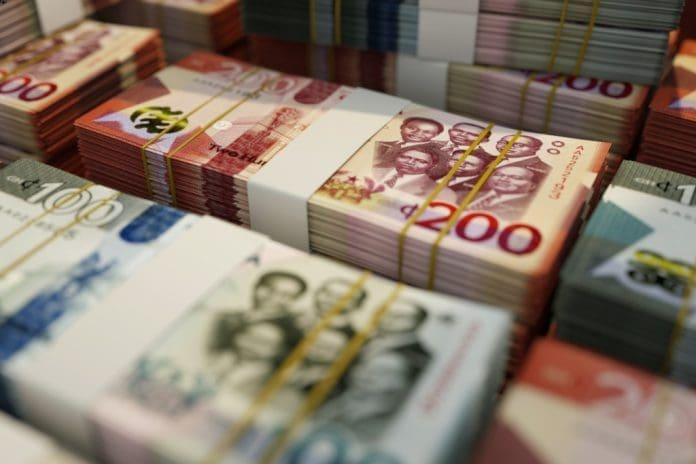
The Ghana cedi weakened slightly against the US dollar on Monday, October 12, trading at about GH¢12.00 buying and GH¢12.30 selling at forex bureaus. The Bank of Ghana interbank market was lower at roughly GH¢11.78 buying and GH¢11.80 selling, while broader market averages were around GH¢11.91 buying and GH¢12.24 selling.
The Ghana cedi weakened slightly against the United States dollar on Monday, October 12, with forex bureaus quoting the American currency at about GH¢12.00 for purchases and GH¢12.30 for sales, while the Bank of Ghana interbank market remained lower at approximately GH¢11.78 buying and GH¢11.80 selling.
The movement represented a modest depreciation from the levels recorded over the weekend and reflected continued demand for foreign currency from businesses, importers and individuals entering the market at the beginning of the trading week. CediRates data showed an average dollar buying rate of roughly GH¢11.91 and an average selling rate of about GH¢12.24 across the wider market, with some licensed forex bureaus offering rates as high as GH¢12.30 for customers purchasing dollars.
The difference between the interbank and retail forex bureau rates remains an important part of Ghana's foreign exchange market. Bank of Ghana interbank figures reflect transactions between banks and other qualifying market participants, while retail customers purchasing dollars at forex bureaus or commercial banks often face higher rates because of operating costs, spreads, individual liquidity positions and demand conditions.
On the official interbank market, the dollar was quoted at around GH¢11.78 for buying and GH¢11.80 for selling. The Bank of Ghana's most recent published weighted rate before Monday showed the dollar trading around GH¢11.79, indicating that the currency remained relatively stable at the official level even as retail market rates moved slightly higher.
The gap between the interbank and bureau market means a customer seeking physical dollars or foreign currency for travel, imports or other transactions could pay around 50 pesewas more for each dollar than the official market rate. The spread can widen or narrow depending on supply conditions, demand from importers and how much foreign currency licensed dealers have available.
The cedi's slight depreciation comes after several days of relatively stable trading. On Friday, October 9, forex bureaus were also selling the dollar at around GH¢12.30, while the Bank of Ghana interbank selling rate was approximately GH¢11.79. The latest figures therefore suggest that the main movement has occurred in the average market rate rather than through a dramatic shift in the highest retail bureau quotations.
The British pound was also trading at a premium in the retail market. Forex bureaus quoted the pound at about GH¢15.46 for purchases and GH¢16.35 for sales, while the Bank of Ghana interbank rate was around GH¢15.60. The euro was trading at roughly GH¢13.15 buying and GH¢13.98 selling at forex bureaus, compared with an interbank rate of about GH¢13.20.
The figures underline how retail customers can encounter significantly different exchange rates depending on where and how they conduct transactions. Commercial banks, forex bureaus, fintech companies, remittance platforms and card networks may all apply different rates at the same time because each uses its own pricing model and liquidity conditions.
For remittances, LemFi and Taptap Send were quoting dollar rates around GH¢11.78 and GH¢11.79 respectively, according to market trackers. Digital card payments were considerably more expensive, with Visa and Mastercard related rates for some subscriptions and international transactions trading around GH¢12.65 and GH¢12.69.
Those differences matter for households and businesses because foreign exchange movements affect a wide range of expenses. Importers buying goods from abroad must convert cedis into foreign currency, while families paying school fees overseas, travelers purchasing dollars and businesses subscribing to international digital services can all face higher costs when the cedi weakens.
A weaker cedi can also increase the local currency cost of imported fuel, machinery, pharmaceuticals, food products and industrial inputs. Businesses may eventually pass some of those higher expenses to consumers, meaning sustained depreciation can contribute to inflation even when the daily movement in the currency appears relatively small.
At the same time, exporters and recipients of foreign currency remittances can benefit from a weaker cedi because dollars, pounds or euros convert into more local currency. The broader economic impact therefore depends on whether a household or business is primarily earning foreign currency or spending it.
The latest movement comes as the Bank of Ghana continues implementing measures intended to improve transparency and control in the foreign exchange market. The central bank recently launched a centralized foreign exchange trading platform for licensed forex bureaus as part of efforts to strengthen market oversight and ensure that transactions are captured more effectively.
The Bank of Ghana has also published updated guidelines governing foreign exchange bureaus and authorized brokers. Those measures are intended to improve market conduct, reduce unregulated trading and support the central bank's ability to monitor foreign currency flows.
The central bank has repeatedly emphasized that foreign exchange trading must take place through licensed institutions. Authorities have also warned against illegal dealers and black market transactions, arguing that unregulated trading can distort price discovery and weaken efforts to stabilize the currency.
Foreign exchange supply remains a key factor in determining the cedi's performance. Ghana receives dollars through exports of gold, cocoa and oil, foreign investment, remittances, government borrowing and central bank interventions. At the same time, demand comes from businesses importing goods, companies servicing foreign obligations, travelers and individuals making overseas payments.
When dollar demand rises faster than supply, the cedi typically comes under pressure. When export receipts, remittances or central bank interventions increase dollar availability, the currency can strengthen or stabilize.
Recent Reuters reporting has pointed to continued demand for dollars from Ghana's energy and manufacturing sectors as one source of pressure on the currency. Those sectors often require substantial foreign exchange to pay for fuel, machinery, raw materials and other imports, making them important participants in the market.
The Bank of Ghana also manages foreign exchange liquidity through interventions and market rules rather than attempting to maintain a permanently fixed exchange rate. The central bank can sell dollars into the market when volatility becomes excessive, but longer term currency stability still depends heavily on inflation, trade balances, government finances, reserves and investor confidence.
Ghana's cedi has experienced substantial volatility over the past several years. The currency weakened sharply during the economic crisis that preceded the country's debt restructuring and International Monetary Fund supported program, before recovering strongly at different points as inflation slowed, reserves improved and confidence returned.
Bank of Ghana historical data show how quickly those movements can change. The end period interbank rate stood around GH¢15.30 to the dollar in January 2025 before strengthening sharply during parts of that year. By September 2026, the official end period rate was around GH¢11.71 to the dollar, showing a substantially stronger position than some of the levels recorded during the earlier crisis period.
The current rate around GH¢11.80 on the interbank market therefore remains stronger than some of the levels seen during the cedi's most difficult periods, although businesses and households remain sensitive to even modest depreciation because exchange rate changes can quickly affect prices.
The central bank's wider monetary policy environment also influences the currency. The Bank of Ghana recently maintained its policy rate at 28 percent, signaling that inflation and financial stability concerns remain important even as economic conditions improve.
Higher interest rates can support a currency by making local financial assets more attractive and reducing excess demand, but they can also increase borrowing costs for businesses and households. The central bank must therefore balance exchange rate stability, inflation and economic growth when setting policy.
Foreign reserves are another important factor. Stronger reserve levels give the Bank of Ghana greater capacity to intervene during periods of extreme market stress and reassure investors that the country can meet external obligations.
The government's broader fiscal position also matters because large deficits or excessive borrowing can weaken confidence in the currency. Ghana's recent debt restructuring and economic reform program have therefore been closely linked to efforts to restore exchange rate stability.
The slight depreciation recorded on Monday does not by itself indicate a new currency crisis. Exchange rates move daily in response to normal changes in demand and supply, and the difference between Friday and Monday remains relatively small.
What matters more for businesses and consumers is whether the cedi continues weakening over several days or weeks and whether the gap between official and retail market rates expands. A widening gap can suggest stronger demand pressures or insufficient retail supply, while a narrowing gap can indicate improving market liquidity.
The current bureau rate of GH¢12.30 also needs to be viewed alongside differences among individual dealers. CediRates showed some banks and forex bureaus quoting lower selling prices, while others were closer to the GH¢12.30 level. Customers may therefore receive different rates depending on location, transaction size and institution.
Commercial banks also tend to quote different buy and sell spreads depending on their foreign exchange positions. Some banks were selling dollars closer to GH¢12.18 to GH¢12.36, illustrating the range available across the formal market.
For ordinary customers, the selling rate is usually the more important figure when buying foreign currency because it determines how many cedis are required to obtain one dollar. At GH¢12.30, a customer would need about GH¢1,230 to buy $100 before any additional service charges.
The interbank rate, by comparison, would imply a lower cedi cost, but retail customers generally do not access interbank pricing directly. That distinction explains why official exchange rate announcements can sometimes appear lower than what individuals actually pay at a bureau or commercial bank.
The Bank of Ghana's centralized forex bureau platform could eventually help reduce some of those differences by improving transparency and creating a clearer picture of market prices. Regulators hope that better data will allow authorities to identify abnormal pricing and monitor transactions more effectively.
The central bank has also maintained that licensed forex bureaus should operate within established rules and avoid speculative behavior that could destabilize the market. Enforcement against unauthorized operators is expected to continue as authorities attempt to bring more foreign exchange transactions into formal channels.
The cedi's performance in the coming weeks will depend partly on seasonal demand. Businesses often increase foreign currency purchases ahead of year end imports and holiday trading, potentially putting additional pressure on the currency if dollar supply does not rise at the same pace.
Export receipts from cocoa and gold could provide support, while remittance inflows may also strengthen toward the end of the year. The balance between those inflows and import demand will help determine whether Monday's mild depreciation develops into a broader trend.
For now, the market remains relatively stable rather than experiencing the sharp swings seen during earlier periods of economic stress. The cedi's movement to around GH¢12.30 at forex bureaus represents a modest weakening and reflects the normal pressure that can emerge when demand for dollars increases.
The larger issue for policymakers is maintaining enough foreign currency liquidity to prevent those pressures from becoming persistent. Continued improvements in reserves, exports, inflation and fiscal discipline would support stability, while stronger import demand or reduced foreign exchange inflows could place renewed pressure on the currency.
The immediate position is therefore one of slight depreciation rather than a major currency shock. The cedi remains around GH¢11.80 on the interbank market and around GH¢12.30 at the upper end of the retail forex bureau market, with traders and businesses now watching whether demand strengthens further as the week progresses.
If the difference between official and retail rates remains contained, Monday's movement may prove temporary. If dollar demand accelerates and bureau rates continue rising, however, businesses and consumers could begin feeling greater pressure through import costs and international payments, making the cedi's performance one of the key economic indicators to watch through the remainder of October.