CEDI GAINS AGAINST DOLLAR AS STRONGER FX INFLOWS EASE PRESSURE ON GHANA’S CURRENCY
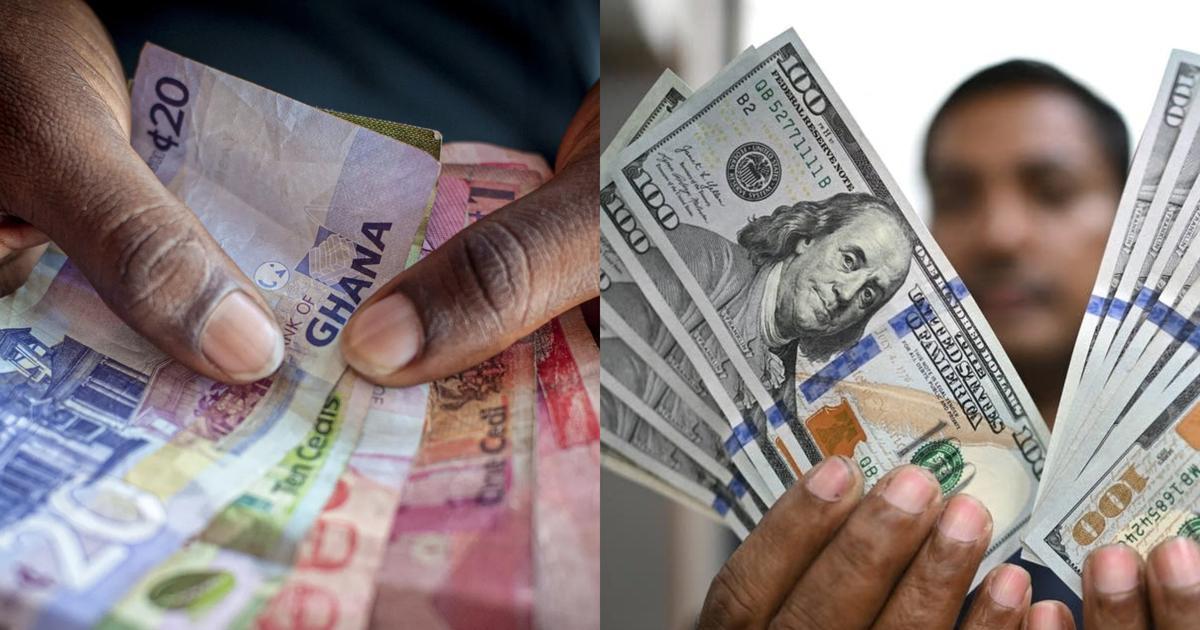
The Ghanaian cedi strengthened against the U.S. dollar on Thursday, trading at about GH¢11.67 to GH¢11.68 on the Bank of Ghana interbank market and around GH¢12.30 for dollar sales at forex bureaus. The gains were supported by stronger foreign exchange inflows, particularly from the mining sector, and improved market liquidity linked to GoldBod dollar sales. The appreciation could ease import costs and inflation pressure if sustained, although seasonal demand and high energy costs remain key risks.
The Ghanaian cedi strengthened against the United States dollar on Thursday, extending a short run of gains after weeks of pressure from seasonal import demand, elevated energy costs and a stronger global dollar. The local currency traded at about GH¢11.67 to buy and GH¢11.68 to sell on the Bank of Ghana interbank market, while forex bureaus quoted the dollar at roughly GH¢12.00 for purchases and GH¢12.30 for sales, offering some relief to businesses and households after a volatile period for the currency.
The latest appreciation reflects improved foreign exchange liquidity in the market and stronger dollar inflows, particularly from Ghana’s mining sector. Market participants have also pointed to increased foreign exchange support linked to gold export proceeds and recent sales by the Ghana Gold Board, which has been channeling dollars to commercial banks under a revised foreign exchange framework.
The cedi’s improvement is significant because it comes after renewed pressure in September and early October. The currency had weakened as businesses increased demand for dollars to finance imports ahead of the end-of-year trading season, while higher global energy prices added to foreign exchange demand for petroleum and other essential imports. The Bank of Ghana has repeatedly said that the currency remains sensitive to these seasonal pressures, even as it works to maintain adequate liquidity and rebuild international reserves.
According to the Bank of Ghana’s latest official interbank data, the dollar was quoted at GH¢11.6692 for buying and GH¢11.6808 for selling, giving a mid-rate of about GH¢11.6750. The latest movement represents an improvement from earlier in the week when the cedi was trading closer to GH¢11.79 and GH¢11.80 in parts of the interbank market.
Retail rates remain higher than the official interbank rate. Forex bureaus were selling the dollar at around GH¢12.30 on Thursday, reflecting the wider spread that often exists between wholesale interbank trading and the cash market used by individuals, small businesses and travelers. The gap means that while the cedi has strengthened, many consumers purchasing physical dollars still face a considerably higher rate than the one published by the central bank.
That difference is particularly important for importers and households. Businesses that source foreign currency through banks or official market channels may benefit more quickly from an appreciating cedi, while smaller traders who rely on forex bureaus or informal channels can continue to face higher costs. The pace at which exchange rate gains are transmitted into retail prices therefore depends partly on how long the appreciation lasts and how much inventory businesses purchased when the cedi was weaker.
The latest gains have been supported by increased foreign exchange availability. GoldBod recently sold about $197 million to commercial banks through its foreign exchange platform at roughly GH¢11.70 to the dollar, with participating banks reportedly receiving the full amounts they requested. That intervention eased immediate demand pressures and helped improve liquidity across the interbank market.
GoldBod has indicated that it intends to supply up to $1 billion to commercial banks in October from foreign exchange proceeds linked to gold exports from the artisanal and small-scale mining sector. The plan is part of a broader government strategy to use gold export earnings more effectively to support market liquidity, reduce exchange rate volatility and strengthen Ghana’s foreign reserves.
The Bank of Ghana has also changed how it approaches foreign exchange intervention. The central bank signaled earlier in October that it did not expect to undertake a regular foreign exchange intermediation program during the month because GoldBod would take on a larger role in supplying the market. However, the BoG has maintained that it remains ready to intervene when necessary to preserve orderly market conditions.
That distinction is important because the central bank is trying to balance two objectives. It wants to prevent excessive volatility in the cedi while also avoiding the use of large amounts of reserves simply to defend a specific exchange rate level. The BoG has repeatedly emphasized that the cedi should be allowed to respond to market conditions while ensuring that sharp or disorderly movements are contained.
The currency’s recent performance has therefore reflected a mixture of market supply, policy intervention and seasonal demand. Earlier in October, the cedi weakened as importers and energy companies increased their demand for dollars. That pressure came at a time when global oil prices were elevated and the U.S. dollar remained strong against many emerging market currencies.
Ghana’s position is particularly sensitive to oil prices because the country imports substantial quantities of refined petroleum products. When international oil prices rise, more foreign currency is needed to pay for those imports, increasing demand for dollars. That can put pressure on the cedi even when Ghana is earning strong foreign exchange from gold, cocoa and other exports.
The stronger cedi could provide some relief for fuel importers if the gains are sustained. Petroleum pricing in Ghana is influenced by both international product prices and the exchange rate. A stronger cedi lowers the local currency cost of buying fuel in dollars and can help offset some of the effect of higher global oil prices.
The same principle applies to other imported goods. Ghana imports significant volumes of machinery, food products, medicines, raw materials, electronics, vehicles and consumer goods. When the cedi appreciates, importers need fewer cedis to purchase the same amount of foreign currency, potentially reducing their costs.
Whether consumers see lower prices, however, depends on several factors. Businesses may still be holding stock purchased when the cedi was weaker, transport and energy costs can remain elevated and companies may choose to rebuild margins before cutting prices. Sustained exchange rate stability is therefore more important than a brief appreciation if households are to experience meaningful relief.
The cedi’s movement also affects remittances. Ghanaians receiving money from relatives abroad typically obtain fewer cedis for each dollar when the local currency strengthens. That can reduce the cedi value of remittance income for households, even though the broader economy may benefit from lower import costs and reduced inflationary pressure.
For businesses with foreign currency debt, an appreciating cedi can reduce repayment pressure. Companies that borrowed in dollars but earn most of their income in cedis face higher repayment costs when the local currency weakens. A stronger cedi reduces the amount of local currency required to service those obligations.
The government also benefits from exchange rate stability because part of Ghana’s public debt is denominated in foreign currency. When the cedi depreciates, the local currency value of external debt increases, raising the burden on public finances. Appreciation can have the opposite effect by reducing the cedi equivalent of those obligations.
Despite Thursday’s gain, the broader picture remains mixed. The cedi has still lost value against the dollar on a year-to-date basis in 2026. Bank of Ghana data showed the currency had depreciated by more than 7 percent against the dollar by August and by roughly 9 to 10 percent at different points later in the year.
That performance contrasts sharply with 2025, when the cedi recorded significant appreciation against major international currencies. The reversal in 2026 has been attributed to stronger global dollar conditions, higher energy costs, increased import demand and changes in foreign exchange flows.
The World Bank has also highlighted the cedi’s weakness during parts of 2026. Its October Africa Economic Update indicated that Ghana’s currency recorded one of the largest depreciations among African currencies during the second quarter of the year. That assessment underscored the continuing vulnerability of the currency to both domestic and global pressures.
The Bank of Ghana has nonetheless argued that the foreign exchange market is more stable than in previous crisis periods. Governor Johnson Asiama has said recent movements should not be interpreted as a loss of control and has emphasized that limited depreciation can occur as part of normal market adjustment.
The central bank’s broader strategy includes rebuilding international reserves, improving transparency in the foreign exchange market and reducing the level of informal or speculative activity. New directives introduced this month require forex bureaus and foreign exchange brokers to comply with tighter regulatory and reporting standards.
The Bank of Ghana has also introduced a centralized platform for foreign exchange bureaus in an effort to improve transparency and oversight. Authorities say better information on transactions can reduce market distortions and help narrow the gap between official and retail exchange rates.
That gap remains one of the most important challenges in the market. A wide spread between the interbank rate and the forex bureau rate can encourage arbitrage, reduce confidence in official pricing and increase costs for businesses that cannot easily access dollars through banks.
On Thursday, the difference between the interbank selling rate of about GH¢11.68 and the forex bureau selling rate of around GH¢12.30 was more than 60 pesewas per dollar. For a business buying $100,000, that gap can translate into tens of thousands of cedis in additional cost depending on where the currency is sourced.
Authorities have therefore focused not only on the headline exchange rate but also on improving access to foreign currency through formal channels. The government hopes that stronger gold-related inflows and more predictable supply to banks will reduce the need for businesses to seek dollars elsewhere.
The mining sector has become especially important in that strategy. Ghana remains one of Africa’s largest gold producers, and stronger gold prices have increased the value of export earnings. By ensuring that more of those proceeds flow through the formal financial system, policymakers believe they can strengthen market liquidity and support the cedi.
Reuters reported Thursday that traders expect the cedi to gain further in the near term because of increased mining-sector foreign exchange inflows and improved interbank liquidity. The currency was quoted around GH¢11.60 per dollar in parts of the market, reinforcing the broader picture of appreciation.
That outlook remains dependent on supply conditions. If mining inflows continue, GoldBod follows through with additional dollar sales and import demand remains manageable, the cedi could maintain its recent gains. If energy prices rise again or importers increase dollar purchases sharply ahead of the Christmas season, pressure could return.
The global dollar will also matter. The U.S. currency has recently moved near multi-month highs amid uncertainty over Federal Reserve policy and global geopolitical risks. A stronger dollar generally puts pressure on emerging market currencies because international investors tend to favor dollar-denominated assets.
Ghana has limited control over those external forces, which is why the government and central bank are focusing on domestic foreign exchange supply, reserves and market discipline. Strong export earnings from gold and cocoa can offset some of the pressure generated by a stronger dollar, but they cannot eliminate it completely.
The cedi’s performance will also remain closely tied to inflation. Currency depreciation raises the local cost of imported goods and can feed into consumer prices. Appreciation, if sustained, can reduce those pressures and help the Bank of Ghana maintain lower inflation.
For households, the most visible benefit would be greater stability in the prices of imported goods and services. Businesses often adjust prices when the cedi weakens sharply, particularly for electronics, vehicles, medicines, food imports and construction materials. A stable or strengthening currency reduces the need for frequent repricing.
However, businesses and consumers are likely to remain cautious until the current improvement lasts longer. Ghana has experienced several periods in which the cedi strengthened briefly before renewed demand pushed it lower again. Market participants will therefore watch the next few weeks closely.
The end-of-year period is traditionally demanding for Ghana’s foreign exchange market because importers build inventories for Christmas and New Year trading. That seasonal demand can increase pressure on the dollar even when export inflows remain strong.
The current appreciation is therefore encouraging but not yet decisive. It shows that improved liquidity can quickly support the currency, particularly when large dollar inflows reach the banking system. Whether those gains become sustained will depend on the balance between export receipts, reserve management, import demand and global market conditions.
For now, the cedi’s Thursday performance offers some relief after a difficult period. The interbank rate has moved back toward the mid-GH¢11 range, forex bureau rates have eased from recent highs and traders expect stronger mining inflows to provide additional support.
The main unresolved issue is how durable the recovery will be. Ghana’s foreign exchange market still faces strong seasonal demand, elevated energy costs and global dollar pressure, while the gap between official and retail rates remains significant. Those factors mean that one day of appreciation cannot by itself establish a lasting trend.
The next few trading sessions will therefore be important. If the cedi continues to strengthen and the retail market follows the interbank market lower, businesses and consumers could begin to see more meaningful benefits. If the gains reverse quickly, Thursday’s move will be viewed as another temporary correction in a volatile year.
For policymakers, the objective remains broader than achieving a specific exchange rate. The Bank of Ghana and government are trying to create a market in which foreign exchange is available through formal channels, reserves continue to improve and the cedi moves without the extreme swings that have previously destabilized prices and business planning.
Thursday’s appreciation suggests that increased supply can ease pressure quickly, but the durability of the improvement will depend on whether Ghana can continue generating and retaining enough foreign currency to meet domestic demand. That will remain one of the central economic tests as the country moves toward the end of 2026.