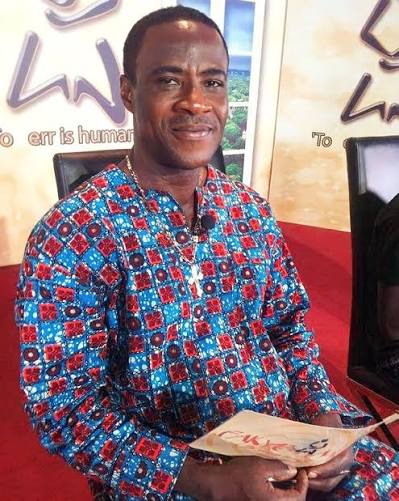

A LAGOS RUNNER FELT DIZZY AT 6KM AND NEVER CAME HOME: EMMANUEL OKEKE'S DEATH RAISES HARD QUESTIONS ABOUT HOW SAFE NIGERIA'S RUNNING BOOM REALLY IS
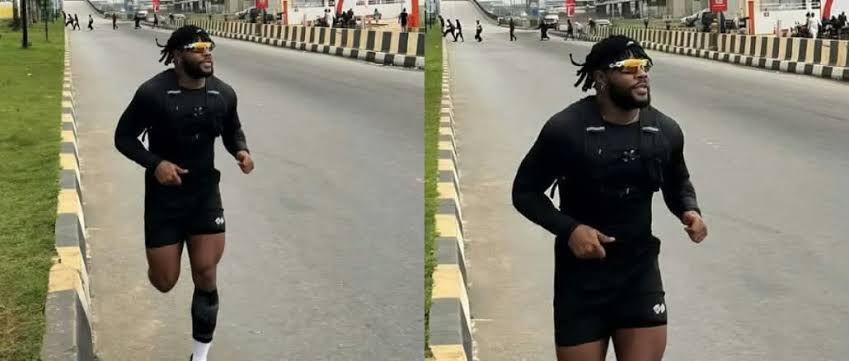
Emmanuel Chidera Okeke, a Lagos-based runner and member of the fitness community Team Active, has died days after he reportedly collapsed during a 10km run organized by the group's sponsors on Sunday morning. According to a statement from Team Active, Okeke was running with other members when he suddenly became dizzy around the 6km mark. He was attended to at once and taken to a hospital by ambulance. The group said he suffered seizures after arriving at the hospital. Medical staff stabilized him, but he died on Tuesday. Team Active described the loss as devastating and suspended its scheduled Thursday and Saturday runs so members could mourn and support one another. The exact cause of Okeke's death has not been made public, and no medical report has been released. Any explanation remains speculation until his family or doctors share more. His death, however, lands at a moment when running clubs, fitness communities and sponsored races are growing fast across Lagos and the rest of Nigeria. It raises urgent questions about heat, hidden health conditions, pre-race screening and whether medical preparedness at community events has kept pace with the crowds they now attract.
Sunday morning runs have become one of the defining rituals of middle-class life in Lagos. Before the city's notorious traffic wakes up, groups of runners in matching shirts gather on the Lekki-Ikoyi Link Bridge, along Ozumba Mbadiwe, around the streets of Ikoyi and on the long stretches of the Lekki axis. They stretch, take photos, joke with friends and set off together. For many, it is the healthiest and happiest part of the week. Last Sunday, for one runner, it became the start of a tragedy.
Emmanuel Chidera Okeke, a member of the Lagos fitness community Team Active, has died days after he reportedly collapsed during a 10km run organized by the group's sponsors. According to a statement released by Team Active, Okeke was running alongside other members when he suddenly became dizzy at around the 6km mark. He was attended to immediately and taken to a hospital by ambulance. The group said that after he arrived at the hospital, he suffered seizures. Medical personnel managed to stabilize him. Despite those efforts, he died on Tuesday.
In its statement, Team Active captured the grief now spreading through its members. "Team Active has always been more than just a running community," the group said. "We are a family built on friendship, shared experiences, love and a passion for staying active. And today, we have lost one of our own."
The group suspended its scheduled runs for Thursday and Saturday in his honor, saying the decision would give members time to mourn and support one another. It extended its condolences to his family and loved ones and said he would forever remain part of its story.
Those words reflect real pain. Running communities are built on routine and trust. Members see each other week after week. They push one another through hard miles, celebrate personal bests and share breakfast afterward. When one of them falls during the very activity that brings them together, the shock is personal. Many of the people who ran beside Okeke on Sunday will carry the memory of that morning for a long time.
It is important to be clear about what is known and what is not. The public account so far comes from Team Active's statement. That statement does not give Okeke's age, his medical history, the name of the hospital that treated him or the specific cause of death. No medical report or autopsy finding has been released. The statement says he became dizzy, while early reports described him as collapsing. The exact sequence of events between the moment he felt unwell and the moment he reached the ambulance has not been detailed. Until his family or medical team share more, any explanation of why he died remains speculation. Responsible coverage must respect that, out of fairness to him, his family and the people who tried to help him.
What can be examined with confidence is the wider picture. Okeke's death is not an isolated event in the history of endurance sport. Runners collapse at races around the world every year, and a small number die. The causes are well studied. Some are sudden and hard to predict. Others are linked to heat, hydration, underlying illness or the speed and quality of the medical response. Understanding those causes matters, not to assign blame in this case, but because Nigeria's fitness boom is growing faster than public awareness of its risks.
The scale of that boom is easy to see. A decade ago, recreational running in Lagos was a niche activity. Today, it is a social movement. The Lagos City Marathon, first held in 2016, has drawn tens of thousands of participants and helped turn long-distance running into a mainstream pursuit. Around it, a vibrant ecosystem has grown. Running clubs and fitness communities meet several times a week. Corporate teams train together. Brands sponsor fun runs, charity races and themed events. Banks, telecom companies, beverage makers and sportswear firms have all found value in attaching their names to healthy, photogenic crowds.
Social media has accelerated the trend. Instagram and TikTok are full of sunrise selfies on the Third Mainland Bridge, Strava screenshots, medal photos and post-run brunch clips. For many young professionals, joining a running club is a way to stay fit, manage stress, make friends and build networks in a demanding city. For some, it has replaced nightlife as the center of their weekends. The culture is welcoming by design. Most clubs proudly say that anyone can join, whatever their pace or experience.
That openness is one of the movement's great strengths. Nigeria faces a rising burden of non-communicable diseases, including high blood pressure, diabetes, heart disease and stroke. Sedentary jobs, long commutes, processed food and stress all contribute. Regular exercise is one of the most powerful tools available to reduce those risks. Doctors and public health experts have long urged Nigerians to move more. The rise of running communities is, in many ways, exactly what they hoped for.
But openness has a hidden side. When anyone can sign up, organizers rarely know who is lining up at the start. Some runners have trained for months. Others are taking part in their first long run. Some have regular medical checkups. Many have never had their blood pressure checked, let alone an electrocardiogram. Some arrive well rested and well fed. Others come after a late night, an empty stomach or a lingering fever they decided to push through. All of them share the same road, the same heat and, often, the same thin layer of medical cover.
That brings the conversation to the question that will hang over Okeke's death until more facts emerge: what makes a runner collapse?
Medical experts generally divide collapse during endurance events into a few broad groups. The most feared is sudden cardiac arrest, when the heart's electrical system fails and it stops pumping blood effectively. Without immediate CPR and a shock from an automated external defibrillator, known as an AED, the chance of survival falls sharply with every minute that passes. Large studies of marathons and half marathons in the United States have found that cardiac arrest is rare, occurring in roughly one in every 180,000 to 200,000 participants, but that it accounts for a large share of race deaths when it happens. In younger runners, the usual causes include inherited heart conditions such as hypertrophic cardiomyopathy, a thickening of the heart muscle that often produces no symptoms at all until a crisis. In older runners, undiagnosed coronary artery disease is more common.
A second major cause is exertional heat stroke. This happens when the body produces more heat than it can release, and its core temperature rises to dangerous levels, often above 40 degrees Celsius. Early signs can include dizziness, confusion, stumbling, unusual behavior and weakness. As the condition worsens, the brain is affected, and seizures can occur. Heat stroke can also trigger damage to the kidneys, liver, muscles and blood clotting system. That damage may continue to unfold over hours or days, even after the person reaches hospital and appears to stabilize. Exertional heat stroke is one of the leading causes of death among athletes in hot climates, and it is often underestimated by recreational runners.
There is a common belief that the greatest danger lies in the longest races. Sports medicine research suggests otherwise when it comes to heat. Shorter races, such as 10km events, can carry a higher risk of heat stroke than marathons. In a shorter race, runners push harder and faster, producing more body heat in less time. Many recreational runners treat a 10km as a test of speed. If the weather is hot and humid, that combination can become dangerous quickly.
Lagos weather adds weight to that concern. The city sits on the coast, where humidity is high for most of the year. Even early in the morning, temperatures often sit in the mid-20s Celsius, with humidity that makes the air feel heavy. Sweat helps the body cool down only when it evaporates. In humid conditions, sweat drips rather than evaporates, and the body's cooling system struggles. As the sun climbs, conditions on exposed roads and bridges can become harsh. A runner who feels fine at the start may be under serious heat stress by the halfway point. None of this establishes what happened to Okeke. It does explain why heat is a constant concern for anyone organizing runs in the city.
A third cause is exercise-associated hyponatremia, a condition in which the level of sodium in the blood falls too low. It often happens when runners drink large amounts of plain water, more than the body loses, during long events. The excess water dilutes blood sodium. Symptoms can include nausea, headache, confusion and, in severe cases, seizures, brain swelling and death. It is more common in longer events than in 10km races, but it highlights an important point. Hydration advice is not as simple as "drink as much as you can." Both too little and too much fluid carry risks.
Other conditions can also lead to collapse. Low blood sugar can cause dizziness and fainting, particularly in runners who start on an empty stomach. Running while sick, including with malaria or a viral infection, can strain the heart and raise body temperature further. Some medications and stimulants, including certain pre-workout supplements and energy drinks, can affect heart rhythm. Severe dehydration, poor sleep and alcohol the night before can all reduce the body's tolerance for heat and effort.
Nigeria has specific risk factors that deserve attention. The country has one of the highest rates of sickle cell trait in the world. Estimates suggest that a significant share of Nigerians, often put at around a quarter of the population, carry one copy of the sickle cell gene. Sickle cell trait is not sickle cell disease, and most carriers live completely normal lives. However, research, particularly among military recruits and college athletes in the United States, has linked sickle cell trait to a higher risk of exertional collapse during intense exercise, especially in heat and when dehydrated. In those rare cases, red blood cells can change shape under extreme stress, blocking blood flow and damaging muscles and organs. Many Nigerians do not know their genotype status, or know it only from a test taken years ago for marriage counseling. Few connect it to their running.
High blood pressure is another quiet threat. Surveys suggest that roughly one in three Nigerian adults has hypertension, and a large share of them do not know it. Untreated high blood pressure can thicken the heart muscle over time and raise the risk of heart rhythm problems. Diabetes, which is also widely undiagnosed, can affect how the body handles exercise and blood sugar. Because these conditions often cause no symptoms, a person can feel perfectly healthy and still carry real risk.
Again, none of these possibilities can be tied to Okeke's case on the available information. The statement from Team Active describes dizziness during the run, followed by seizures in hospital and death two days later. That sequence is consistent with several different conditions, and only a proper medical investigation can determine which, if any, applies. What these possibilities share is a lesson for every runner and organizer: collapse during exercise is a medical emergency, its causes vary, and the first minutes often decide the outcome.
That leads to the question of medical preparedness, which is likely to become the most sensitive part of the public conversation. Team Active's account says Okeke was attended to immediately and taken to hospital by ambulance. If that account is accurate, it suggests some level of medical arrangement was in place, which is more than many informal group runs can claim. Ambulances are not present at every community run in Lagos. Many weekly club runs take place on open public roads with no medical team, no first aid station and no defibrillator, relying on the hope that nothing goes wrong.
The details matter, however, and they are not yet public. Questions that sports medicine specialists would typically ask include how long it took for medical personnel to reach him, whether trained first responders assessed his temperature, breathing and level of consciousness on the spot, whether an AED was available along the route, and how long the journey to hospital took. In cases of suspected heat stroke, international guidance increasingly recommends a principle often summed up as "cool first, transport second." That means rapidly cooling the runner on site, ideally with cold-water immersion, before moving them to hospital, because every minute the body spends at dangerously high temperatures increases the risk of organ damage. In cases of cardiac arrest, the priority is immediate CPR and defibrillation, because the chance of survival drops sharply with every minute without a shock.
These standards come largely from well-funded events in Europe, North America and parts of Asia. Major marathons there often have medical tents, cooling stations, ice baths, AEDs placed every kilometer or two, bike-mounted medics and doctors who specialize in endurance sport. Some even place medical staff in the final stretch, where collapse is most common. Applying all of those measures to a sponsored community 10km in Lagos may not be realistic. But the gap between the best global practice and what many Nigerian events provide is wide, and as participation grows, that gap becomes harder to ignore.
The challenge is made more difficult by the realities of emergency care in Lagos. Traffic can turn a short distance into a long journey. Not every hospital has an intensive care bed ready. Emergency departments may ask for payment or deposits before treatment, despite laws intended to prevent that. The Lagos State Ambulance Service and private ambulance providers have improved coverage in recent years, but response times can still vary widely. For a runner in crisis, these factors can make an enormous difference. Organizers who arrange an ambulance on standby, with a clear plan for which hospital to use, are effectively buying time that the city's roads might otherwise take away.
There is also the matter of who is responsible for safety at a community event. Team Active's statement says the 10km run was organized by the group's sponsors. That raises reasonable, if uncomfortable, questions about how responsibilities were shared between the fitness community and the sponsoring organization, and what safety standards each expected the other to meet. These are not accusations. There is no public evidence that anyone failed in their duties, and the statement indicates that help arrived quickly. But as brands increasingly fund and promote public fitness events in Nigeria, the question of who carries responsibility for medical planning, insurance and emergency response deserves clear answers.
Nigeria has few formal standards for this. The Athletics Federation of Nigeria regulates elite competition, and large certified races generally follow international guidelines for course measurement and organization. Smaller community runs, brand activations and club events operate in a looser space. They may need road permits or police cooperation, but there is little consistent regulation of medical cover, participant screening or emergency planning. In practice, safety depends heavily on the goodwill, resources and experience of individual organizers. Some do an excellent job. Others do very little. Participants often cannot tell the difference before they show up.
That is one reason the debate about pre-race screening keeps returning. Some countries take an aggressive approach. Italy, for example, has long required competitive athletes to undergo medical evaluation, including an electrocardiogram, before they can be certified to compete, and research there has suggested the program helped reduce sudden cardiac deaths among young athletes. Other countries, including the United States, have resisted mandatory ECG screening for the general population, citing cost, false positives and the rarity of sudden death. Most experts agree that a simple health questionnaire and basic checks such as blood pressure measurement can identify some at-risk people at low cost. In Nigeria, where so many conditions go undiagnosed, even basic screening could have value. Some running clubs already encourage members to get medical checkups. Few require it.
Mandatory screening for community runs would face real objections. It could discourage participation, add cost and create a false sense of security, since many dangerous conditions are hard to detect. Critics would argue that adults have the right to decide whether to exercise and should not need permission to run on public roads. Supporters would counter that when an organizer invites hundreds of people to run at speed in tropical heat, a basic duty of care follows. The truth likely lies between those positions: not heavy regulation, but clear guidance, strong awareness and minimum safety expectations for organized events.
There is another sensitive dimension that the fitness community itself will need to confront. Running culture, especially on social media, often celebrates pushing through pain. Motivational slogans urge runners never to stop, never to quit and to "finish strong." Pace charts, segment rankings and finishing times can turn a friendly community run into a competition. That spirit can be inspiring. It can also be dangerous when it encourages runners to ignore warning signs. Dizziness, chest pain, unusual shortness of breath, confusion, nausea, chills in the heat and a sudden drop in performance are not obstacles to overcome. They are signals to stop.
By Team Active's account, Okeke became dizzy and was attended to immediately. That detail matters, because it suggests the warning sign was recognized. Many runners in similar situations keep going, believing they can make it to the finish line. Sports physicians often stress that a runner who feels faint, confused or unwell should stop, sit in the shade and seek help at once. Fellow runners should feel free to pull a friend off the course without fear of embarrassing them. Pride has no place in that moment.
The Nigerian context adds cultural layers to this. Many Nigerians are reluctant to see doctors unless they are seriously ill. Health checks can be expensive, and private healthcare is beyond the reach of many families. Some people distrust hospitals after poor experiences. Others see fatigue and dizziness as normal parts of a busy life in Lagos. A culture of endurance, in which people are expected to push through hardship without complaint, can carry over into sport. The same instincts that help Nigerians survive tough economic times can be harmful when the body is sending urgent signals.
Okeke's death also raises the question of first aid knowledge among ordinary people. In most cardiac arrests, the people closest to the victim are not doctors. They are friends, fellow runners, passersby and family members. If they know how to recognize cardiac arrest, start CPR and use an AED, the chance of survival rises significantly. CPR training remains far from widespread in Nigeria, and public access defibrillators are rare outside a few corporate offices, airports and private facilities. Running clubs are well placed to change that. A community that trains together several times a week could also train together in basic life support once a year. Several fitness groups around the world have adopted that model, with some members acting as designated first aiders on group runs.
For the sponsors who increasingly fund these events, there is an opportunity as well as a responsibility. Brands that attach their names to fitness gain goodwill, visibility and association with health. Investing a share of that budget in medical cover, cooling stations, AEDs and first aid training would protect participants and the brands themselves. A well-run event with visible medical support sends a stronger message about corporate values than any banner or branded water bottle.
None of this should be read as an argument against running. The benefits of regular exercise are overwhelming and well established. Physically active people tend to live longer, have lower rates of heart disease, diabetes, depression and certain cancers, and enjoy better quality of life. Studies of large running populations consistently show that the risk of dying during a race is very small, especially when compared with the long-term health risks of inactivity. For most people, the safest choice is to keep moving, not to stop. The goal is to make running safer, not to make people afraid of it.
That balance will matter in the days ahead. Tragedies like this can provoke two harmful reactions. One is fear, in which people abandon exercise because they believe it is dangerous. The other is denial, in which communities move on quickly, treating the death as a freak event with nothing to learn. Neither serves the memory of the person who died. The better path is honest reflection: grieving fully, asking careful questions, waiting for facts and then improving what can be improved.
Team Active's decision to suspend its Thursday and Saturday runs reflects that spirit of pause. It gives members time to grieve and to support one another. It may also give the community space to consider what happens when runs resume. Some running groups around the world have responded to similar losses by holding memorial runs, launching CPR training drives, encouraging members to get medical checkups or partnering with health providers to offer screening. Such steps can turn grief into protection for others.
The family of Emmanuel Chidera Okeke, meanwhile, faces a loss no statement can capture. A loved one left home on a Sunday morning to do something healthy and joyful, surrounded by friends. Two days later, he was gone. Whatever the medical explanation turns out to be, it will not ease that pain. They deserve privacy, compassion and, when they are ready, clear answers about what happened.
Those answers matter beyond one family. If a medical review identifies the cause of his death, and if his family chooses to share it, the information could help thousands of other runners understand their own risks. If heat played a role, organizers may rethink start times and cooling plans. If an undiagnosed heart condition was involved, more runners may seek screening. If the medical response raises questions, event standards may improve. If nothing could have been done differently, that too is important to know. Transparency, handled with care, can save lives.
There are practical lessons that runners across Nigeria can take from this moment, whatever the eventual findings. Get a medical checkup, including blood pressure, blood sugar and, where possible, a heart check, especially before taking on longer or faster runs. Know your genotype and discuss it with a doctor if you are training hard. Do not run with a fever, malaria symptoms or a recent illness. Eat something light before a long run and stay sensibly hydrated, drinking according to thirst rather than forcing large amounts of water. Start early to avoid the worst of the heat, and slow down when it is humid. Wear light clothing. Run with others and tell them if you feel unwell. Stop immediately if you feel dizzy, confused, faint or have chest pain. Learn CPR. Ask organizers what medical support is available before you sign up.
For organizers, the lessons are just as clear. Have a written medical plan for every organized event. Arrange trained first responders and an ambulance, with a designated receiving hospital. Provide water and, where possible, electrolyte drinks along the route. Plan for heat, including shade, cooling stations and the ability to rapidly cool a runner on site. Place AEDs along the course and make sure someone nearby knows how to use them. Brief participants on warning signs. Consider a basic health declaration at registration. Keep clear records so that if something goes wrong, the response can be reviewed and improved.
Regulators and public health authorities also have a role. Lagos State, which has invested in promoting fitness through events and public spaces, could work with sports medicine experts to publish simple safety guidelines for organized runs. The Athletics Federation of Nigeria could share best practices beyond elite competition. Health agencies could use the popularity of running clubs to promote screening for hypertension, diabetes and sickle cell trait. Running communities are, after all, gatherings of people already motivated to take care of their health. That makes them ideal partners for public health campaigns.
Lagos running culture was built on the promise that fitness could be social, joyful and open to all. That promise is worth protecting. Every Sunday, thousands of Nigerians choose to wake early, lace up their shoes and run together through a city that rarely makes life easy. They do so for health, friendship and a sense of achievement. They deserve to finish those runs safely and to go home to the people waiting for them.
Emmanuel Chidera Okeke did not get to go home. His fellow runners will remember him as one of their own, a member of a community that described itself as a family. The most meaningful tribute that community and the wider Nigerian fitness movement can offer is to make sure the next runner who feels dizzy at the 6km mark has every possible chance of surviving.
The full story of what happened on that Sunday morning has not yet been told. When it is, it should be heard carefully. Until then, his death stands as a painful reminder that the road to better health carries risks that no community can afford to ignore.