62-YEAR-OLD NIGERIAN-BRITISH MAN FOUND DEAD IN LONDON HOME AFTER COLLEAGUES RAISE ALARM
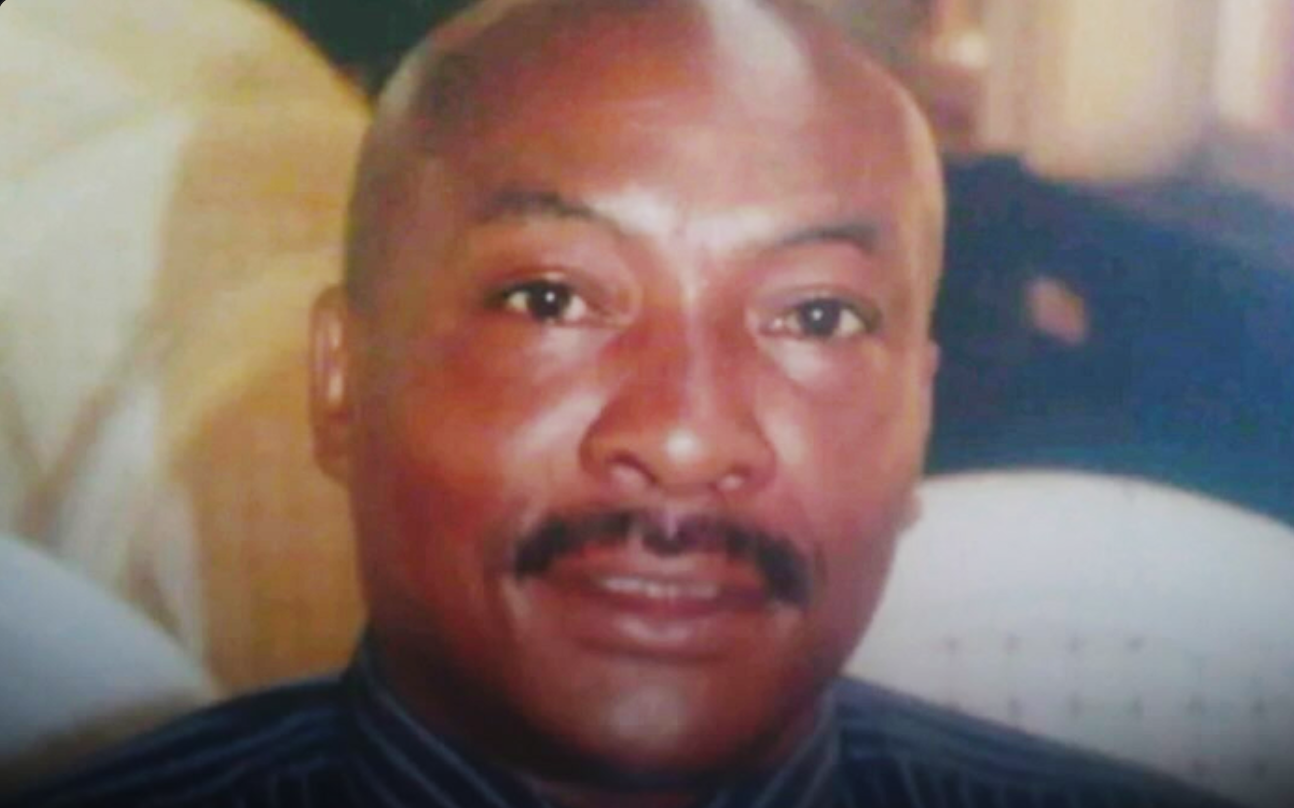
Prince Adeoba Adeniji-Adele, a 62-year-old Nigerian-British former Lagos State civil servant, was found dead at his home in Barnet, London, on November 9 after colleagues became concerned when he failed to report to work or respond to calls. His childhood friend, Abayomi Ishola, said Adeniji-Adele had received treatment for prostate cancer about two months earlier but had returned to work, while his widow, Kehinde, said he told her he was tired during their final conversation the night before his death. His family says British authorities are investigating and an autopsy is expected to determine the cause of death, which remains unknown. He had been arranging for his wife and four children to join him in Britain.
LONDON — A 62-year-old Nigerian-British former Lagos State civil servant has been found dead at his home in Barnet, north London, after colleagues became concerned when he failed to report for work and could not be reached by phone, leaving his family awaiting the outcome of an investigation and expected post-mortem examination to establish what caused his sudden death. Prince Adeoba Adeniji-Adele, who returned to the United Kingdom in 2024 after retiring from the Lagos State Government Public Service, was discovered at his residence on Monday, November 9, after colleagues at Bushey Meadows Supported Living requested a welfare check when repeated efforts by both his workplace and family to contact him produced no response. No official cause of death has yet been announced, and although relatives have disclosed that he had recently undergone treatment for prostate cancer, there is currently no verified evidence establishing that the illness was responsible for his death.
Adeniji-Adele’s childhood friend, Abayomi Ishola, said colleagues regarded his unexplained absence as unusual because he was normally responsive to calls and messages. According to Ishola, concern grew after both Adeniji-Adele’s wife and his workplace were unable to reach him, prompting the request for someone to check on his welfare. Emergency assistance was subsequently called after he was found unresponsive at the property. Reports published on Saturday said British authorities had begun looking into the circumstances of the death and that an autopsy was expected, but no public statement identifying a suspicious cause, criminal investigation or medical conclusion had been released by the relevant British authorities at the time of publication.
His widow, Kehinde, said she had spoken with her husband the day before he was found and had no indication during that conversation that she was speaking to him for the final time. She recalled that he told her he was tired and wanted to sleep, after which she told him she would contact him again the following day. When her calls on Monday went unanswered, she initially believed he might still be sleeping or resting, but the prolonged silence eventually became alarming because it was out of character for him not to respond.
Kehinde said she continued trying to reach her husband and made another call at about 3:15 p.m., when the phone was eventually answered by someone at the residence. She said the man who took the call asked her to confirm her identity and her husband’s name before informing her that Adeniji-Adele had been found dead following the welfare check initiated after he failed to appear at work. The sudden way in which the news was delivered intensified the shock for a family that had been preparing for reunification in Britain after spending an extended period living apart.
Adeniji-Adele had returned to the United Kingdom in 2024 after completing his career in the Lagos State public service. Before his retirement, he worked as an information officer at different government institutions, including the Lagos State Office of the Public Defender and Gbagada General Hospital. Friends said his public-service career in Lagos lasted about a decade after he had previously lived in Britain and then moved to Nigeria in 2012. His professional work placed him in government communication roles before he eventually retired and relocated once again to the United Kingdom.
After settling back in Britain, Adeniji-Adele secured work as a support officer with Bushey Meadows Supported Living. Support workers in the British social-care sector commonly assist adults who require help with aspects of independent living, although the precise responsibilities Adeniji-Adele carried within the organization have not been publicly detailed. His colleagues’ decision to request a welfare check after he did not arrive for work indicates that his absence was sufficiently unusual to cause immediate concern among people accustomed to his routine.
Ishola described his childhood friend as active and independent despite a recent health problem. He said Adeniji-Adele had been diagnosed with prostate cancer and underwent treatment about two months before his death, but had recovered sufficiently to resume work. According to Ishola, there had been no obvious indication among friends that his health had deteriorated dramatically in the days leading up to his death. That account represents the observations of someone close to him rather than a medical assessment, and the actual cause of death cannot responsibly be inferred from his previous cancer diagnosis before the expected autopsy and any related medical findings are completed.
Prostate cancer is one of the most common cancers affecting men, and outcomes vary substantially depending on the stage of the disease, the type of treatment received, age and other health conditions. A recent history of cancer treatment can therefore be medically relevant to an investigation into a death, but it does not by itself establish causation. Sudden deaths can result from a wide range of medical conditions, and without an official post-mortem finding it would be speculative to attribute Adeniji-Adele’s death to cancer, treatment complications or any other specific condition.
The absence of an official cause has led the family to wait for further information from British authorities while beginning the difficult process of making funeral arrangements. In England and Wales, unexpected deaths may be referred to a coroner where the cause is unknown, violent or unnatural, or where other legal criteria apply. A post-mortem examination may then be ordered to determine the medical cause of death, although the reporting available on Adeniji-Adele’s case has not yet established whether a formal coronial investigation or inquest has been opened.
His death has been made especially painful by the fact that he had been preparing for his wife and four children to join him in Britain. Ishola said Adeniji-Adele had already secured British passports for his children and was working on the immigration arrangements that would allow Kehinde to travel with them. The family includes a set of twins and two other children, and relatives said the plan had been for them to reunite permanently with him after he re-established himself in the United Kingdom.
That plan was apparently nearing an important stage when he died. Ishola said Adeniji-Adele was in the process of securing entry clearance for his wife, suggesting that the family viewed their separation as temporary and expected to begin a new chapter together in Britain. His sudden death has therefore left them confronting both bereavement and uncertainty over plans that had been organized around his life and employment in London.
Kehinde’s public tribute portrayed her husband as someone deeply committed to providing for his family. She described him as a man prepared to make personal sacrifices to ensure that those close to him were cared for and reflected painfully on aspects of their relationship that she said she understood differently after his death. Her comments have added a personal dimension to a story that first emerged through reports of an unexplained death following a workplace welfare concern.
Friends similarly described Adeniji-Adele as maintaining strong connections with Nigeria despite living alone in Britain. Ishola said he had recently sent money toward celebrations marking his mother’s 90th birthday, presenting it as evidence that he remained active and engaged with family life shortly before his death. Such personal details do not offer medical evidence about the circumstances of his death, but they help explain why the news was unexpected to those who knew him.
His background also reflects the experience of many Nigerians who divide working and family life between Nigeria and the United Kingdom. Adeniji-Adele had already spent part of his life in Britain before returning to Nigeria, building a career in the Lagos State public service and later moving back to the UK after retirement. His final employment in supported living represented a new stage after public service, while his longer-term plan centered on bringing his immediate family to join him.
That transnational family structure can place significant practical and emotional demands on households, particularly where one spouse relocates first to secure employment, housing and immigration documentation before the rest of the family follows. Communication by telephone and messaging platforms often becomes the primary connection between partners during that period, which helps explain why his failure to answer calls quickly alarmed both his wife and colleagues.
The decision by colleagues to seek a welfare check was ultimately what led to the discovery of his death. Welfare checks are commonly requested in Britain when family members, employers, neighbors or friends become concerned that a person may be ill, injured or otherwise unable to respond. Depending on the circumstances, police, ambulance personnel or other emergency services may attend. The available reporting does not provide enough officially confirmed detail to state precisely which agency first entered Adeniji-Adele’s residence, and it would therefore be inappropriate to go beyond the family’s account.
There is similarly no verified basis at present for describing the death as suspicious. Reports say authorities are investigating and that an autopsy is planned, but an investigation into an unexplained death is not itself evidence of criminal activity. Until medical or law-enforcement authorities provide further findings, the responsible conclusion is simply that Adeniji-Adele was found dead after becoming unexpectedly unreachable and that the cause remains undetermined.
That distinction is important because sudden deaths involving people living alone can quickly attract speculation, especially when family members are abroad and information emerges gradually through friends and social media. In this case, the confirmed public narrative remains relatively straightforward: Adeniji-Adele did not report to work, colleagues and relatives could not contact him, a welfare check was requested, and he was found dead at his home. Everything beyond those circumstances, including what happened medically in the hours before his death, remains unresolved.
His recent prostate cancer treatment is therefore likely to form part of the medical history considered during the post-mortem process, but it should not be treated as a definitive explanation. Ishola said Adeniji-Adele had returned to work after treatment and appeared active, while his wife’s last conversation with him centered on fatigue and his desire to sleep. Feeling exhausted is nonspecific and can accompany many ordinary or serious conditions, so that final conversation cannot establish a cause either.
The case may also draw attention among Nigerian communities in Britain because Adeniji-Adele belonged simultaneously to professional and family networks in both countries. Former Lagos State colleagues have remembered him through his years as a government information officer, while people in Britain knew him through his newer work in supported living. His death has therefore resonated across communities that experienced different chapters of his life.
Reports describing him as a Nigerian-British citizen reflect his established ties to both countries. Ishola said Adeniji-Adele had obtained British passports for his children after returning to Britain, while his wife was still awaiting the immigration clearance needed to join him. The family’s circumstances emphasize that his return to Britain was not intended as a solitary long-term arrangement but as the foundation for an eventual family reunion.
The uncertainty over the cause of death may complicate immediate funeral planning because relatives will need to wait for the necessary legal and medical procedures before the body can be released. Where a post-mortem is ordered, funeral arrangements can sometimes be delayed until authorities are satisfied that sufficient examination has taken place. The family has indicated that burial preparations will proceed once those formalities are completed.
There are also practical decisions concerning whether burial will take place in Britain or Nigeria, although no confirmed decision has been publicly reported. For diaspora families, repatriating remains can involve considerable expense, documentation and coordination between funeral directors, airlines, consular authorities and relatives. Until the family announces its plans, speculation over where Adeniji-Adele will be laid to rest would be premature.
What is clear is that the death has interrupted a carefully constructed plan for the next stage of his family’s life. After retiring in Lagos, returning to Britain, establishing employment and beginning the process of bringing over his wife and children, Adeniji-Adele appeared to be preparing for greater stability and family reunification. Instead, his wife learned of his death through a telephone call from someone attending his home after colleagues noticed he was missing from work.
For his former colleagues in Nigeria, the news also closes a public-service career remembered through postings at institutions including the Office of the Public Defender and Gbagada General Hospital. Information officers in government agencies are responsible for public communication and dissemination of official information, placing them between public institutions and the communities they serve. Adeniji-Adele’s move from that role into supported-living work in Britain represented a significant professional transition late in life.
The next substantive development will be the medical determination of what caused his death. Until that process is completed, reports about his previous cancer treatment, exhaustion the night before his death or apparent physical condition should remain contextual facts rather than explanations. No official finding has connected any of them directly to his death.
For Kehinde and the couple’s four children, however, the unanswered medical questions sit alongside a more immediate personal loss. They had expected to join Adeniji-Adele in Britain and were reportedly working through the final immigration arrangements required to do so. The family will now have to navigate bereavement across two countries while awaiting the official findings that may explain why a husband and father who had returned to work after treatment suddenly failed to answer his phone.
As British authorities complete the expected post-mortem and determine whether any further inquiry is necessary, the circumstances surrounding Adeniji-Adele’s final hours remain unresolved. The available evidence supports neither speculation about foul play nor a conclusion that his previous cancer caused his death. For now, what is established is that concern from attentive colleagues led to a welfare check, that the 62-year-old was found dead in his Barnet home on November 9 and that a family preparing to reunite with him in the United Kingdom is now waiting for answers.