

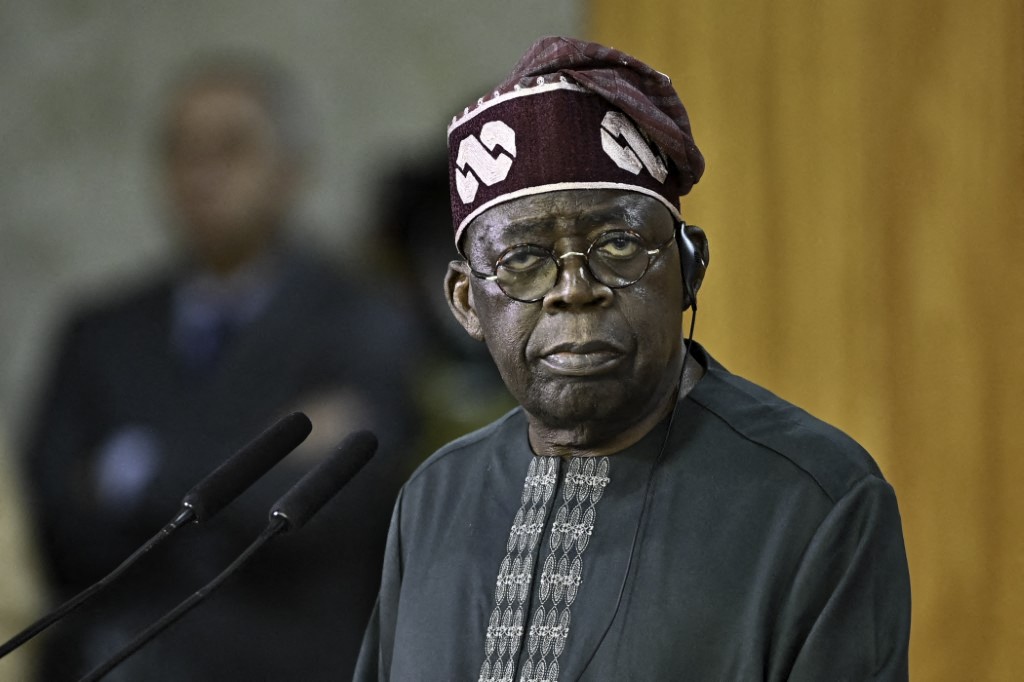
TINUBU SAYS HIS GOVERNMENT NEVER BULLIES JUDGES, BUT NIGERIA'S RECORD OF RAIDS, DEFIED ORDERS AND EMERGENCY RULE TELLS A MORE COMPLICATED STORY
President Bola Tinubu has declared that his administration respects court judgments, including rulings it dislikes, and does not denigrate, attack or intimidate the judiciary. Speaking at the Wole Olanipekun & Co. Justice Summit, the President described judicial independence as a personal commitment. He told the audience, "I can assure you in this room that I have kept and I promise to keep it." He warned that "a government that bullies its judges only weakens its own foundation," and tied the courts directly to economic growth: "Every timely judgment is an advertisement for the Nigerian economy." The words are strong and, on paper, exactly what investors, lawyers and democracy advocates want to hear. They also arrive against a long and troubled history between Nigeria's executive and its courts. That history includes military decrees that shut judges out, the Obasanjo-era refusal to obey a Supreme Court ruling on Lagos local government funds, the 2016 night raids on judges' homes, and the suspension of a sitting Chief Justice weeks before the 2019 election. Tinubu's own tenure has a mixed record. It includes a landmark win for local government autonomy and higher pay for judges, but also the re-arrest of former CBN Governor Godwin Emefiele after a court granted him bail and the 2025 state of emergency in Rivers State, which critics called an assault on constitutional order. The pledge matters. Whether it holds will be judged by conduct, not speeches.