
WHY A FRESH WAVE OF NORTH KOREAN SOLDIERS MAY JOIN RUSSIA’S WAR IN UKRAINE
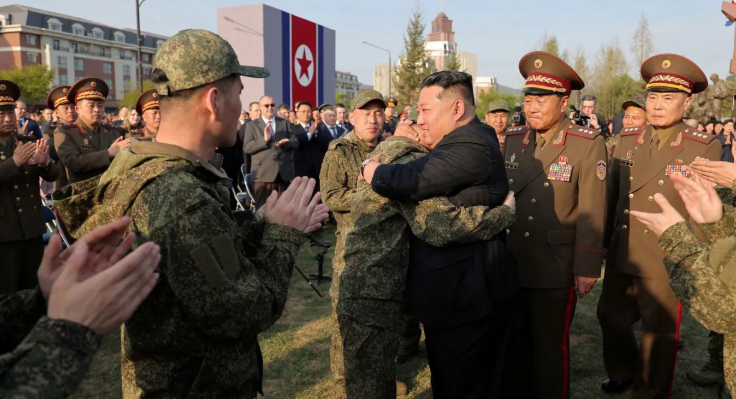
North Korea could send tens of thousands of additional troops to Russia as Moscow struggles with battlefield manpower shortages. Despite suffering heavy casualties in Kursk, Pyongyang has gained billions of dollars, military experience and greater geopolitical influence through its growing partnership with Russia.
North Korea could be preparing to send tens of thousands of additional soldiers to Russia as Moscow struggles to replace mounting battlefield losses, deepening a military partnership that has already brought Pyongyang billions of dollars, combat experience and closer ties with the Kremlin.
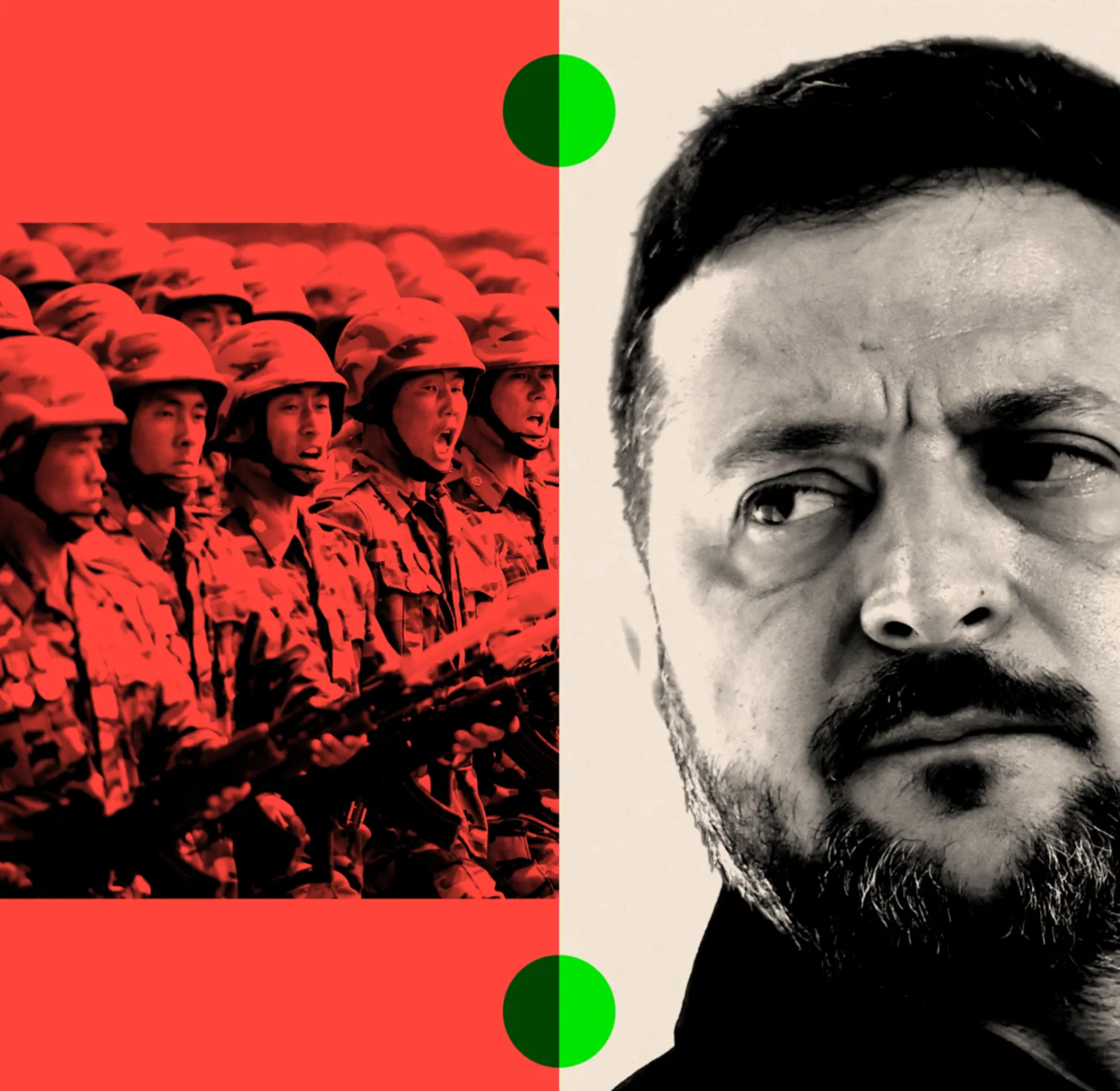
Ukrainian President Volodymyr Zelensky has warned that as many as 50,000 North Korean troops could eventually be deployed in Russia, revising an earlier estimate of about 30,000.
The prospect of another deployment follows North Korea's unprecedented decision to send thousands of troops to Russia's Kursk region, where they fought alongside Russian forces against Ukrainian troops.
Between 11,000 and 14,000 North Korean soldiers are estimated to have participated in the Kursk campaign.
Ukraine's military intelligence agency HUR estimates that around 3,000 were killed and another 1,500 wounded. A separate BBC Korea analysis of a North Korean memorial site estimated approximately 2,300 deaths.
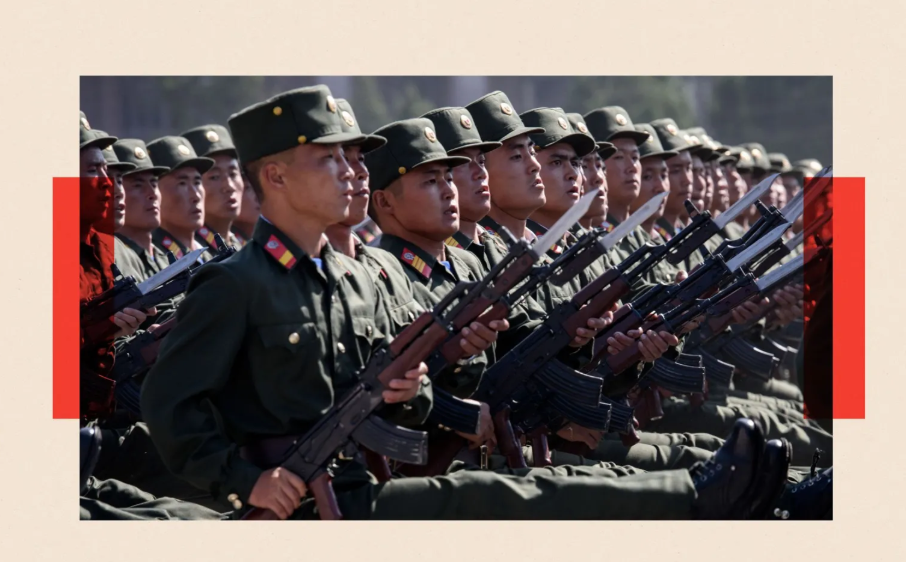
Despite those heavy losses, analysts believe Pyongyang has gained significant economic, military and geopolitical benefits from its involvement in the war.
NORTH KOREA'S BILLION DOLLAR WAR DIVIDEND
Lim Soo-ho, a senior research fellow at the Institute for National Security Strategy in Seoul, estimates that North Korea has earned close to $10 billion from weapons sales to Russia and the deployment of troops.
That represents an enormous financial boost for a country whose annual economy is estimated at roughly $30 billion.
In exchange for soldiers, ammunition and weapons, Pyongyang has received hard currency, food and oil while strengthening its relationship with Moscow.
The partnership has also reduced North Korea's longstanding dependence on China.
Beyond money, North Korea has gained something potentially even more valuable.
Its soldiers have acquired direct experience fighting a modern war dominated by drones, electronic surveillance, precision weapons and rapidly changing battlefield tactics.
HEAVY LOSSES DURING EARLY FIGHTING
North Korean troops initially suffered severe casualties after entering combat alongside Russian forces.
The soldiers deployed were largely drawn from North Korea's elite Storm Corps.
Ukrainian troops who fought them described aggressive tactics involving groups of soldiers repeatedly advancing against defended positions.
Some Ukrainian soldiers said the North Koreans initially appeared poorly prepared for the extensive use of drones on the battlefield.
Dr Yang Uk of Seoul's Asan Institute for Policy Studies said the troops nevertheless adapted as the campaign progressed.
North Korean soldiers eventually gained valuable experience in drone warfare and other aspects of modern combat while helping Russian forces push Ukrainian troops from parts of the Kursk region.
SOLDIERS INSTRUCTED TO AVOID CAPTURE
Only two North Korean soldiers are known to have remained alive in Ukrainian captivity despite thousands participating in the fighting.
Accounts from the prisoners provide a rare glimpse into the extraordinary pressure placed on North Korean troops to avoid surrender.
One captured soldier told a South Korean documentary crew that becoming a prisoner of war was considered unacceptable for North Korean troops.
Another said he felt guilty for surviving and feared his family could face punishment if he returned home after being captured.
Both men have reportedly expressed a desire to go to South Korea rather than return to North Korea.
Seoul has indicated that it is prepared to receive them.
Russia has requested their return, while Ukraine has said it will comply with international humanitarian and human rights obligations that prevent prisoners from being forcibly returned to places where they could face persecution.
Their ultimate fate remains unresolved.
THOUSANDS OF NORTH KOREAN TROOPS REMAIN IN RUSSIA
Ukraine's HUR intelligence agency estimates approximately 8,500 North Korean military personnel remain on Russian territory.
According to Ukrainian intelligence, they are organised into four brigades operating within Russia's North Group of Forces and are currently assigned to protecting Russia's border in the Kursk region against possible Ukrainian incursions.
HUR says these units are not presently participating in active combat operations and North Korean combat units have not been observed fighting inside Russian occupied areas of Ukraine.
That distinction could become increasingly important.
North Korean troops have so far fought primarily on internationally recognised Russian territory.
Deploying them directly into occupied Ukrainian territory would represent a significant escalation and could increase diplomatic pressure on South Korea to provide Kyiv with more advanced weapons.
RUSSIA NEEDS MORE SOLDIERS
Russia's manpower problems provide another reason North Korean forces could return to combat.
Western and Ukrainian intelligence assessments cited in reports estimate Moscow is losing approximately 6,000 more troops each month than it can recruit.
Russia has increasingly relied on foreign fighters and recruits from several countries to supplement its forces.
For Moscow, North Korea offers something considerably more valuable than small numbers of individual foreign recruits.
Pyongyang can provide organised military units containing thousands of trained soldiers.
That makes the relationship valuable to both governments.
Russia receives manpower and military supplies while North Korea receives money, resources, technology and battlefield experience.
ZELENSKY WARNS OF NEW DEPLOYMENT
Zelensky has said preparations have been underway in Russia's Voronezh region to receive additional North Korean forces.
He has also claimed Pyongyang is preparing further transfers of ballistic weapons to Russia.
The Ukrainian president argues that North Korea's participation should concern countries far beyond Europe because its military is learning lessons from one of the world's most technologically advanced modern conflicts.
Ukraine is using the growing Russia North Korea relationship to press South Korea for additional military assistance, particularly advanced air defence systems.
Seoul has supported Ukraine but has largely restricted its assistance to non lethal aid.
A major new North Korean deployment could increase pressure on South Korea to reconsider that position.
A PARTNERSHIP THAT COULD OUTLAST THE WAR
North Korea and Russia initially refused to acknowledge the presence of North Korean troops.
Ukrainian forces first reported clashes with them in November 2024, while the first surviving North Korean prisoners were captured in January 2025.
Russia publicly acknowledged their involvement months later, praising their contribution to fighting in Kursk.
What began as a relationship driven by military necessity is increasingly developing into a broader strategic partnership.
For Kim Jong Un, the deployment represented the largest North Korean combat operation overseas in decades.
Despite thousands of casualties, Pyongyang has gained money, resources, diplomatic leverage and invaluable battlefield experience.
For Russia, North Korea provides ammunition, weapons and something Moscow increasingly needs as the war continues.
Soldiers.
The arrangement therefore appears likely to continue for as long as both governments believe the benefits outweigh the costs.