
MORE THAN 3,000 DISPLACED AS SEVERE FLOODING SWAMPS HOHOE COMMUNITIES
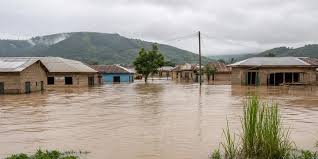
More than 3,000 people have been displaced and over 400 homes affected after the River Dayi overflowed its banks and flooded communities in Hohoe in Ghana's Volta Region. Zongo is among the hardest hit areas, while authorities are appealing for emergency assistance as rising water levels stretch local response capacity.
More than 3,000 residents have been displaced and over 400 homes affected by severe flooding in Hohoe after the River Dayi overflowed its banks, inundating communities and forcing families from their homes.
The flooding has left parts of the municipality underwater, with Zongo reported to be among the worst affected communities.
More than half of the Zongo community has reportedly been submerged, leaving residents struggling to protect their belongings and find temporary shelter.
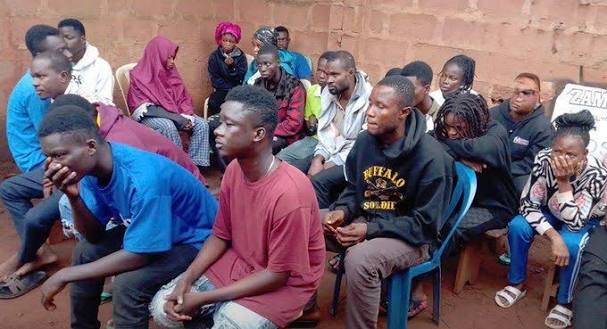
Some displaced families have been moved into classrooms and other available facilities as local authorities work to provide emergency accommodation.
The situation remained concerning even after the heavy rainfall subsided, with authorities reporting that water levels were continuing to rise in some areas.
The continued rise has increased fears that additional homes and communities could be affected if the River Dayi remains above normal levels.
MORE THAN 400 HOMES AFFECTED
Initial assessments indicate that more than 400 houses have been affected by the flooding.
The number of displaced residents has surpassed 3,000 as emergency teams continue assessing the extent of the damage.
Homes, household belongings and other property have been affected, while movement through some flooded areas has become difficult.
Residents in vulnerable locations have been urged to move away from flooded areas rather than attempt to cross fast moving or deep water.
The scale of displacement is placing growing pressure on temporary shelters and local emergency resources.
AUTHORITIES APPEAL FOR EMERGENCY SUPPORT
Local authorities are now appealing for assistance as the municipality struggles to respond to the scale of the flooding.
Emergency needs include temporary accommodation, food, drinking water, clothing, bedding and other essential supplies for displaced households.
With thousands of people requiring assistance, local officials say support from outside the municipality will be necessary to sustain the emergency response.
Authorities are also monitoring the River Dayi and communities located close to its banks as they assess whether additional evacuations may become necessary.
The immediate priority remains moving vulnerable residents to safer locations and providing shelter for families who can no longer remain in their homes.
ZONGO AMONG HARDEST HIT COMMUNITIES
Zongo has emerged as one of the areas most severely affected by the flooding.
Reports indicate that more than half of the community has been inundated.
Residents have been forced to leave flooded homes, while others have attempted to move possessions to higher ground before water levels rise further.
The flooding has disrupted normal activities across affected communities and created significant humanitarian concerns for families who may be unable to return home immediately.
Authorities are expected to conduct more detailed assessments once water levels begin to recede.
Those assessments will help determine the full extent of damage to homes, roads and other infrastructure.
WATER STILL RISING AFTER RAINFALL
One of the biggest concerns for emergency officials is that flooding continued even after the intense rainfall stopped.
An overflowing river can continue pushing water into surrounding communities after rainfall has ended, particularly when upstream water continues moving downstream.
Authorities are therefore urging residents not to assume the danger has passed simply because the rain has stopped.
People living close to the river and other flood prone areas have been advised to remain alert and follow evacuation instructions from emergency officials.
The developing situation in Hohoe is now shifting from an immediate flooding incident into a wider humanitarian response, with thousands of displaced residents requiring shelter and basic necessities.
As emergency teams continue assessing affected communities, authorities are calling for urgent support to prevent conditions for displaced families from deteriorating further.