

GOVERNMENT SUSPENDS 20 OFFICERS AS PROBE INTO DEATHS OF 37 DETAINEES EXPANDS
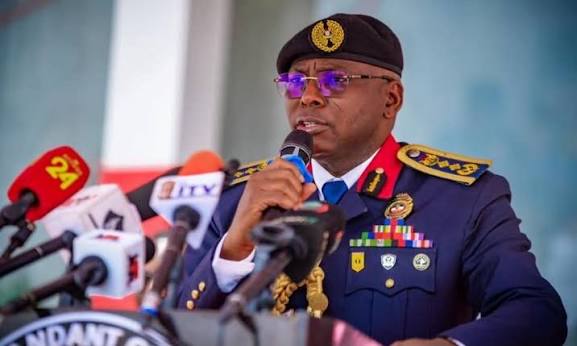
Nigeria's Federal Government has suspended 20 additional NSCDC officers and established a 10 member independent committee to investigate the deaths of 37 people held in custody in Niger State. Together with the previously suspended state commandant, 21 officers have now been suspended as investigators examine the arrests, detention conditions, deaths and possible responsibility or negligence.
Nigeria's Federal Government has suspended 20 additional officers of the Nigeria Security and Civil Defense Corps and constituted a 10 member independent committee to investigate the deaths of 37 people held in NSCDC custody in Niger State.
The latest action significantly expands the government's response to the deaths, which triggered public outrage and protests in Minna after the detainees died while being held over suspected illegal mining activities.
Interior Minister Olubunmi Tunji Ojo announced the measures on Saturday following President Bola Tinubu's directive for what the government described as a comprehensive, transparent and unhindered investigation.
The 20 officers have been suspended pending the outcome of the investigation.
Their suspensions come in addition to the earlier suspension of Niger State NSCDC Commandant Suberu Aniviye, bringing the number of officers suspended in connection with the incident to 21.
The suspensions do not establish criminal or disciplinary responsibility. The independent investigation has been tasked with determining what happened and whether any officials were responsible for misconduct, negligence or other wrongdoing.
INDEPENDENT PANEL GIVEN TWO WEEKS
The 10 member committee will be chaired by Jonathan Kure, a retired Deputy Director General of the Department of State Services.
Professor Isa Hayatu Chiroma, a Senior Advocate of Nigeria and former Director General of the Nigerian Law School, will serve as secretary.
Other members include retired Assistant Inspector General of Police Hosea Hassan Karma and Professor Olayinka Buhari, a professor of histopathology and former Chief Medical Director of the University of Ilorin Teaching Hospital.
Representatives of the Minna Emirate Council and Niger State Government are also included.
The panel further includes National Secretary of the Miners Association of Nigeria Liman Sulaiman, lawyer and human rights activist Deji Adeyanju, journalist Zainab Suleiman Okino and public affairs analyst George Agbakahi.
The committee has been given two weeks to complete its investigation and submit its findings to the Minister of Interior.
PANEL TO DETERMINE HOW DETAINEES DIED
The committee's mandate extends beyond establishing the immediate circumstances surrounding the deaths.
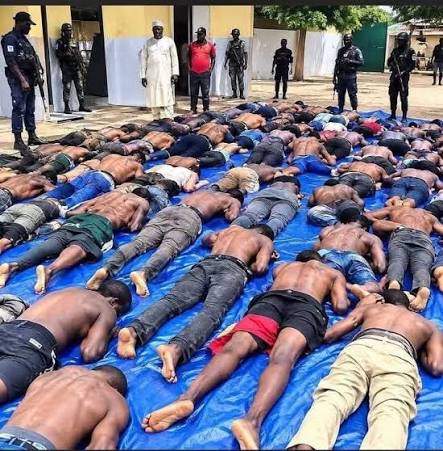
It has been directed to confirm the identities of the deceased and examine how they were arrested, the conditions under which they were detained and the circumstances surrounding their deaths.
The panel will also investigate possible responsibility, complicity, negligence or misconduct.
Where wrongdoing is established, it has been instructed to recommend appropriate sanctions.
The committee can also recommend compensation where applicable and propose measures intended to prevent similar incidents.
It has been authorized to visit relevant locations, access documents and facilities, receive memoranda from members of the public and bring in additional experts where necessary.
GOVERNMENT ORDERS EVIDENCE PRESERVED
Tunji Ojo has directed the NSCDC leadership and other relevant personnel to cooperate fully with investigators.
Officials have also been instructed to preserve records and material evidence connected with the incident.
The minister warned that attempts to destroy or conceal evidence, intimidate witnesses or obstruct the investigation would be treated as serious offences.
The directive could become particularly important as investigators attempt to establish what happened inside the detention facility before the deaths.
20 ADDITIONAL OFFICERS SUSPENDED
The officers suspended represent several functions within the Niger State NSCDC Command.
They include personnel responsible for station security, investigation, arrests, intelligence, legal matters and guard duties.
The suspensions are intended to allow the investigation to proceed while the officers remain away from their duties.
The government has not declared the suspended personnel guilty of causing the deaths.
Determining individual or institutional responsibility is part of the mandate given to the independent committee.
CAUSE OF DEATH REMAINS UNDETERMINED
The 37 people were among suspects detained following operations targeting suspected illegal mining activities in Niger State.
NSCDC initially said the deaths followed a suspected disease outbreak.
Survivors, however, have given accounts describing severe overcrowding and inadequate ventilation inside the detention facility.
One survivor said detainees struggled to breathe as conditions deteriorated.
Those accounts have intensified questions about whether the conditions in which the detainees were held contributed to the deaths.
The precise cause, however, has not been officially established.
The competing accounts are among the issues investigators are expected to examine.
DEATHS TRIGGERED PROTESTS IN MINNA
News of the deaths triggered demonstrations in Minna as residents demanded accountability.
Security forces used tear gas during protests, while authorities subsequently imposed a curfew following unrest in the Niger State capital.
President Tinubu then ordered a comprehensive investigation and said the suspensions of officials should not be regarded as a substitute for determining responsibility and delivering justice.
Niger State Governor Mohammed Umaru Bago also announced mourning for the deceased and backed an investigation into the circumstances surrounding their deaths.
INVESTIGATION MOVES INTO NEW PHASE
The establishment of an independent committee represents a significant development from the government's initial announcement of an investigation.
The panel now has a specific membership, mandate and deadline.
Its investigation is expected to examine not only the medical circumstances surrounding the deaths but also the actions of officials responsible for the arrests, detention and supervision of the detainees.
The inclusion of legal, medical, security, traditional, civil society and mining representatives is intended to broaden the scope of the investigation.
For families of the deceased, the central questions remain what caused the deaths and whether they could have been prevented.
The panel's findings will also be closely watched for recommendations concerning accountability, compensation and reforms to detention practices within the NSCDC.
Until those findings are released, responsibility for the deaths and their precise medical cause remain under investigation.