
CURFEW FAILS IN PLATEAU AS 28 DIE IN FRESH ATTACKS AND RESIDENTS ASK WHY GUNMEN STILL MOVE FREELY
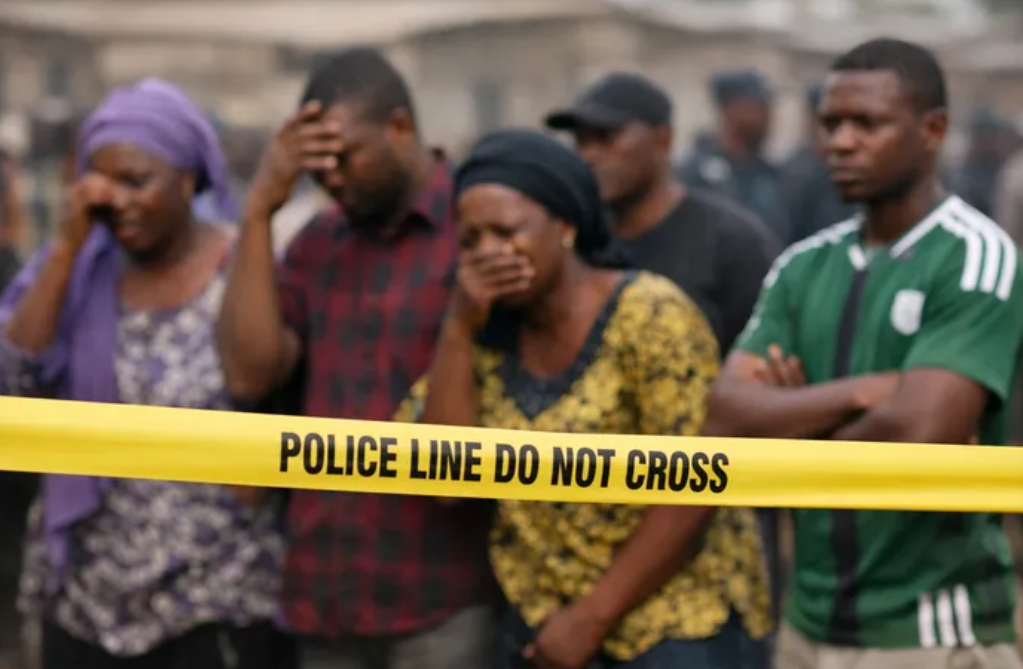
Daily Trust reports that at least 28 people have been killed in a fresh wave of attacks in Plateau State even after a 6 p.m. to 6 a.m. curfew took effect on 21 September in Barkin Ladi, Bokkos and Mangu. The latest case was on Sunday, when gunmen killed two Fulani herders near a Total filling station in Bukuru, Jos South, and injured six. Farming and grazing have largely stopped in the worst-hit communities.
At least 28 people have been killed in a renewed wave of attacks across Plateau State even after the state government imposed a dusk-to-dawn curfew meant to stop the bloodshed.
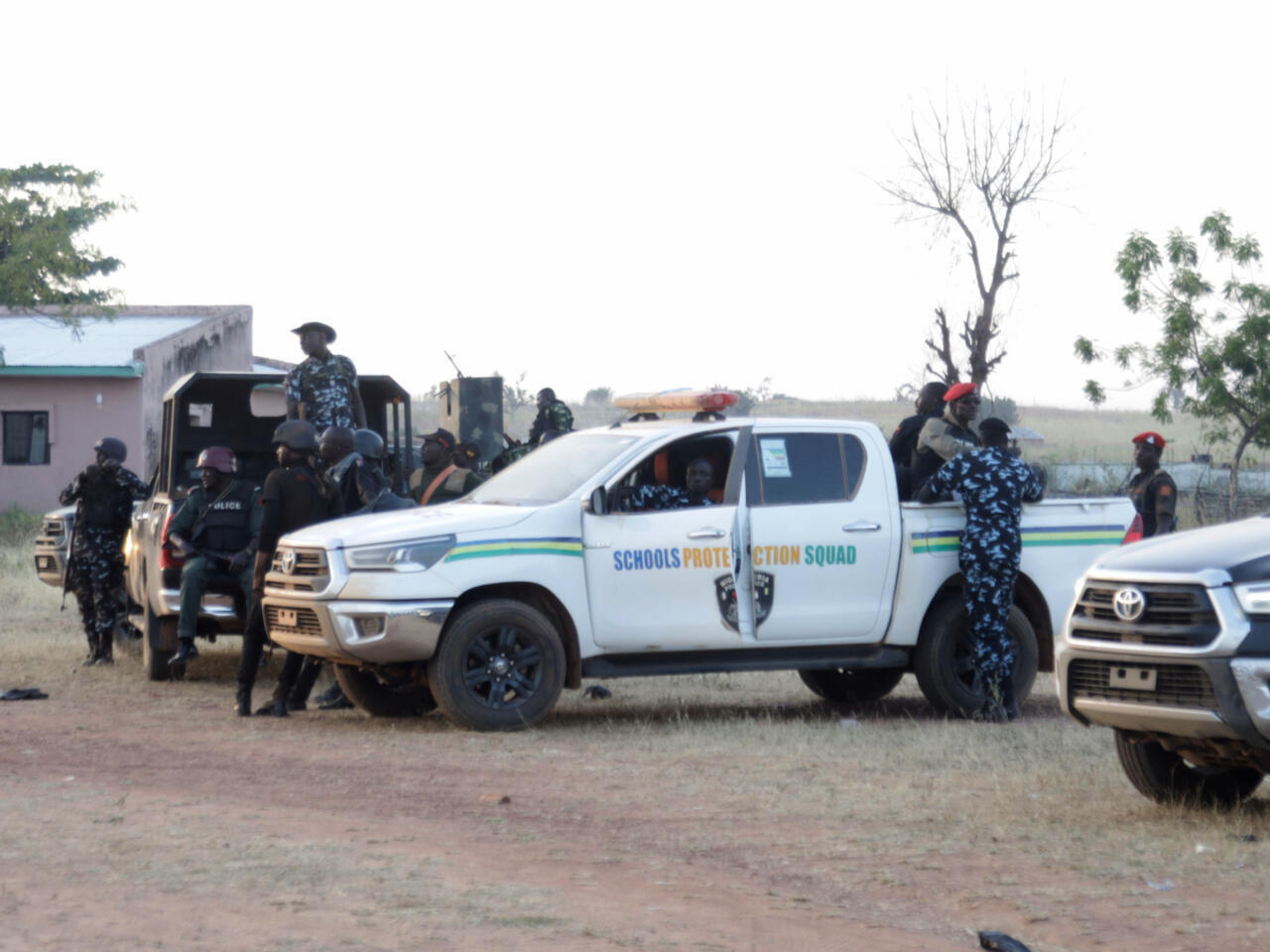
Daily Trust, which first reported the figure on Monday, said the deaths were recorded mainly in Mangu, Bokkos and Barkin Ladi after the restriction took effect on 21 September. The curfew runs from 6 p.m. to 6 a.m. Motorcycles are also banned in the three local government areas. Commissioner for Information and Communication Joyce Ramnap said the order was meant to give security agencies room to stabilise the communities and prevent a breakdown of law and order.
It has not held.
The latest incident was on Sunday evening in Bukuru, Jos South, outside the formal curfew zone. Gunmen opened fire on Fulani herders travelling in a pick-up near the Total filling station. Two people were killed. Six were injured and taken to hospital. One person was reported missing.
Ibrahim Yusuf Babayo, Plateau chairman of the Miyetti Allah Cattle Breeders Association of Nigeria, said the victims were returning from a cattle market to Bassa Local Government Area when they were attacked at about 5.30 p.m. He called the shooting unprovoked and asked security agencies to track those responsible. Spokespeople for Operation Enduring Peace and the state police command had not responded to Daily Trust by the time of publication.
The Bukuru attack came less than two weeks after five herders were killed at Kassa in Barkin Ladi while moving cattle from Bokkos toward Jos South. That killing, on 20 September, was one of the incidents that pushed the government to announce the curfew the next day.
The toll since then is a chain of separate attacks, not one single raid. Daily Trust’s account includes a police officer killed in an ambush on Operation Rainbow personnel along Gagshi Road on 22 September, three Berom farmers killed the same day at Rakok in Barkin Ladi, and three Mwaghavul vigilantes ambushed at the Kyikyau-Gyambwas boundary in Mangu. Two Berom miners were killed at Gangare on 23 September. A 27-year-old herder was killed near Banka in Mangu the next day, with about 30 cattle reportedly taken. Three vigilantes, including a youth leader, were killed in Kassa on 25 September. Five miners died in an ambush at Marit on 26 September.
On 27 September gunmen hit a herding settlement at Lamor in Pushit District of Mangu. More than 20 cattle were killed and more than 70 were reported missing. A herder was also killed near Rakung in Barkin Ladi the same day. On 28 September three women working at a mining site in Rakum, Barkin Ladi, were shot dead. A 14-year-old herder, Aliyu Ismail, was killed around Wereng in Riyom on 1 October. On 3 October two Berom men from Heipang were shot dead at a mining site near Kuru Jenta, on the Jos South and Barkin Ladi boundary.
Inspector-General of Police Olatunji Disu visited the state on 16 September after earlier killings in Mangu and promised closer work with communities. Residents say the visits and the curfew have not changed what happens on the roads and at the farms.
Paul David, a resident of Dorowa Babuje in Barkin Ladi, told Daily Trust people no longer go to distant farms because they cannot tell who is waiting for them. Habibu Ibrahim, a herder in Lugere, said grazing routes have become too dangerous. Christopher Rafan, a farmer in Bokkos, said his cousin was killed returning from the farm, and that some households have stopped planting tall crops such as maize and guinea corn near villages because the stalks hide approaching attackers. He also noted that some of the most volatile villages are not covered by the curfew at all.
The violence sits on an old fault line. Berom and Fulani leaders continue to trade blame. Farmer-herder disputes, arguments over land, and the indigene-settler divide have shaped Plateau politics for years. The wider crisis traces in part to the Jos violence of September 2001. A committee set up by Governor Caleb Mutfwang and chaired by retired General Nicholas Rogers has put the death toll in the state at about 11,000 over two decades. Peace accords in Riyom and Barkin Ladi, backed by groups including the Centre for Humanitarian Dialogue, have not stopped the latest cycle.
Civil society voices quoted by Daily Trust argued that arrests rarely follow the attacks, that rural terrain is thinly policed, and that young people in the villages are left out of most peace meetings. With 28 people dead since the restriction began, those arguments are now being made in public again.
The state government has not issued a fresh casualty figure. Until police confirm the Bukuru deaths and the wider count, the 28 remains a tally compiled from community and association reports, not an official total.