AFRICA MAKES OLYMPIC HISTORY AS DAKAR 2026 YOUTH GAMES OPEN IN SENEGAL
Senegal officially opens the Dakar 2026 Youth Olympic Games today, October 31, in a historic first for Africa. Around 2,700 young athletes will compete across Dakar, Diamniadio and Saly through November 13, with 153 medal events across 25 competition sports. The Opening Ceremony at Stade Abdoulaye Wade in Diamniadio is expected to showcase Senegalese and African culture, while Dakar 2026 will also become the first Youth Olympics to feature a Refugee Olympic Team and has achieved full gender balance across its sports, disciplines and events. Baseball5 competition began on October 30, but the official Games opening is October 31.
Senegal is making Olympic history as the Dakar 2026 Youth Olympic Games officially open on Saturday, October 31, bringing the Olympic Movement to African soil for the first time and placing the continent at the centre of one of the world’s biggest youth sporting events. Around 2,700 young athletes from across the globe are gathering in Senegal for more than two weeks of competition and cultural activities spread across Dakar, Diamniadio and Saly, with the opening celebrations centred on the Stade Abdoulaye Wade in Diamniadio. The Games will continue through November 13 and represent far more than another international sporting competition for Senegal, with the event marking the first time in Olympic history that an Olympic sporting event has been hosted in Africa and creating a moment the International Olympic Committee, Senegalese authorities and organisers have repeatedly described as belonging to the entire continent.
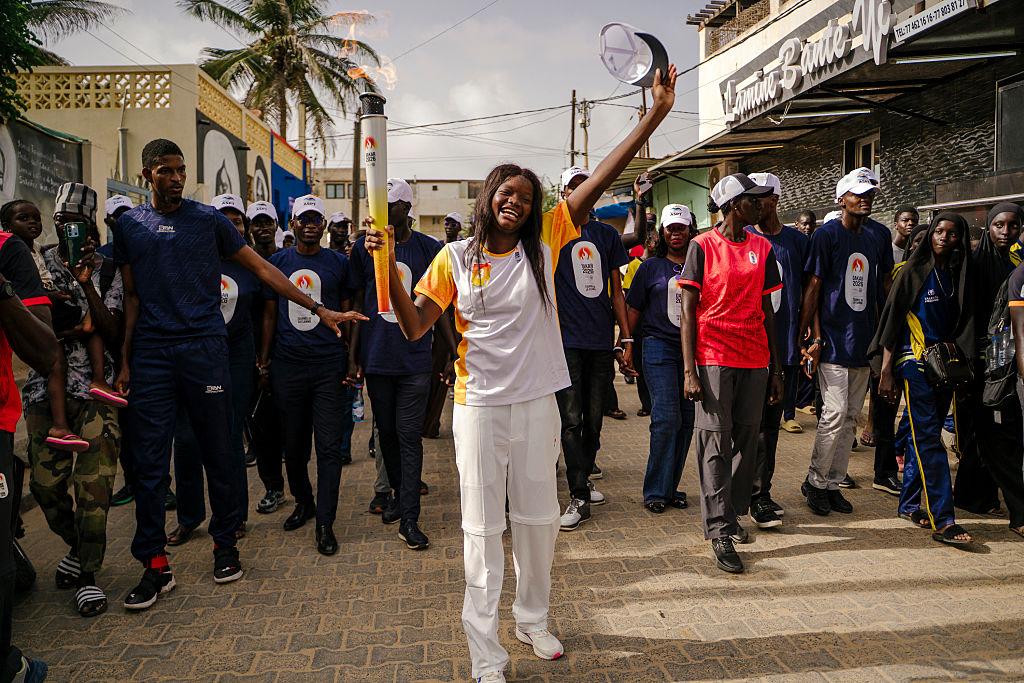
The Opening Ceremony at Stade Abdoulaye Wade is expected to combine sport, Senegalese culture, African identity and the Olympic tradition in a major evening celebration that will formally launch the fourth edition of the Summer Youth Olympic Games. Official Senegalese reporting says approximately 11,000 participants are expected at the ceremony, including around 700 dancers, with the production designed to showcase Senegal’s identity alongside the cultural diversity of Africa. The ceremony is scheduled for the evening at the national stadium in Diamniadio, with Senegalese President Bassirou Diomaye Faye and International Olympic Committee President Kirsty Coventry among the senior figures expected to attend as athletes, officials and spectators from around the world gather for the historic opening. The Youth Olympic flame, which began its journey in Athens before travelling through Senegal, is also due to culminate at the ceremony with the lighting of the Youth Olympic cauldron, symbolising the formal beginning of the Games.
Although the ceremony officially opens Dakar 2026 on October 31, sporting competition technically began a day earlier, with baseball5 getting underway on October 30 as part of the event programme. The IOC nevertheless identifies October 31 as the official opening date of the Games, with the tournament continuing until November 13. Across the full programme, athletes will compete in 153 medal events involving 25 competition sports, while a further 10 engagement sports form part of the wider youth and cultural programme. The event involves 35 international sports federations and has been designed to combine elite youth competition with education, cultural exchange and activities intended to promote Olympic values among athletes and young people across Senegal.
One of the most significant features of Dakar 2026 is its commitment to full gender balance. According to the IOC, every sport, discipline and event has been structured to achieve gender balance, making equality between male and female participation a defining principle of the Games rather than a secondary objective. That approach reflects the wider evolution of the Olympic Movement toward equal opportunities for women and men and gives Dakar 2026 particular significance as the first Olympic event on African soil. The organisers are not simply staging a major international competition; they are presenting the event as a model for youth participation, inclusion and equality at a time when sport across many parts of the world is increasingly being used as a platform for broader social development.
The scale of the Games is substantial. Approximately 2,700 athletes aged up to 17 are expected to compete, representing National Olympic Committees from around the world alongside the first Youth Refugee Olympic Team to participate in a Youth Olympic Games. The introduction of the Refugee Olympic Team adds another historic dimension to Dakar 2026 and reflects the IOC’s broader effort to ensure that athletes displaced from their countries retain opportunities to compete internationally. The refugee team is made up of athletes based in Africa and competing in sports including athletics, judo and taekwondo, adding to the wider message that the Dakar Games are intended to represent inclusion as well as competition.
For Senegal, hosting Dakar 2026 represents the culmination of a journey that began eight years ago when the country was selected to host the fourth Summer Youth Olympic Games. Senegal was awarded the event at the IOC Session in Buenos Aires in October 2018, becoming the first African nation chosen to host an Olympic sporting event. The Games were originally scheduled for 2022 but were postponed to 2026 after the COVID-19 pandemic disrupted the international sports calendar and forced the IOC, national Olympic committees and international federations to reconsider major events and financial commitments. The postponement gave Senegal an additional four years to prepare venues, transport systems, accommodation and youth programmes while allowing the Olympic Movement to recover from the wider disruption caused by the pandemic.
The decision to award the Games to Senegal was part of a deliberate IOC effort to bring the Olympic Movement to a continent that had never previously hosted an Olympic sporting event despite Africa’s enormous contribution to global athletics, football, combat sports and numerous other disciplines. African athletes have produced generations of Olympic champions, but the continent had remained absent from the list of Olympic host territories. Dakar 2026 changes that history and creates a symbolic breakthrough for African sport, particularly for young athletes who will now experience an Olympic competition hosted within the continent rather than travelling entirely to Europe, Asia, the Americas or Oceania.
IOC officials have repeatedly described the event as a milestone not simply for Senegal but for Africa as a whole. The Games’ motto, “Africa Welcomes, Dakar Celebrates,” reflects that continental ambition and positions Senegal as the host on behalf of a much larger African sporting community. Organisers have said Dakar 2026 is intended to demonstrate the continent’s capacity to organise major international sporting events while also providing a long-term development platform for young people, coaches, volunteers, administrators and communities. The emphasis on legacy has been central to preparations, with facilities and youth programmes designed to remain useful after the Games rather than existing solely for a two-week international spectacle.
Competition is spread across three principal host zones: Dakar, Diamniadio and Saly. The capital, Dakar, hosts several important venues, including the Tour de l’Oeuf complex, Stade Iba Mar Diop and Corniche West, while Diamniadio serves as a major Olympic hub with the Dakar Arena, the Dakar Expo Centre, the Equestrian Centre, Stade Abdoulaye Wade and the Youth Olympic Village. Saly, a coastal resort area south of Dakar, provides a very different competition environment, with Saly Beach West hosting sports such as beach handball, beach volleyball, coastal rowing, sailing, triathlon and beach wrestling. Together, the three zones allow the Games to combine urban stadium competition, purpose-built indoor venues and coastal sports within a relatively compact national footprint.
The Stade Abdoulaye Wade, where the Opening Ceremony is being staged, is one of the most important symbols of Senegal’s modern sporting infrastructure. Located in Diamniadio, around 30 kilometres from Dakar, the stadium was built as part of the country’s broader investment in large-scale sporting and public infrastructure and will also host archery during the Youth Olympic Games. Its role in the ceremony gives Senegal a high-profile setting for the moment the Olympic flame is formally welcomed into Africa, with thousands of performers, athletes, officials and spectators expected to turn the stadium into a showcase of Senegalese and African culture.
After the Opening Ceremony, the Youth Olympic flame will move to Corniche West in Dakar, where it is expected to remain alight throughout the Games until November 13. The flame was lit at the historic Panathenaic Stadium in Athens in September, continuing the Olympic tradition of linking modern competitions with the ancient origins of the Games. It then travelled to Senegal and moved through communities as part of a nationwide flame tour involving sporting, cultural and educational activities, with schools, young people, athletes and community organisations participating before the flame’s return to the Dakar region for the opening.
The competition programme itself reflects the Youth Olympic Games’ effort to blend traditional Olympic sports with newer and more youth-focused formats. Athletics, swimming, gymnastics, judo, taekwondo, cycling, badminton and other established sports are joined by competitions such as breaking, skateboarding, baseball5 and beach disciplines. The purpose is not only to identify emerging elite athletes but also to connect the Olympic Movement with younger audiences whose sporting interests increasingly extend beyond traditional stadium competition. Several athletes who competed at previous Youth Olympic Games later became Olympic champions and world stars, giving Dakar 2026 the potential to introduce the next generation of internationally recognised athletes before they reach the senior Olympic stage.
The event also arrives at an important moment for African sport. Morocco is preparing to co-host the 2030 FIFA World Cup, while several African countries are investing heavily in stadiums, academies and professional leagues. Senegal itself has enjoyed a period of increasing football success and broader sporting ambition, making Dakar 2026 part of a larger effort to position the country as a major sporting destination in West Africa. The Youth Olympics give Senegal an opportunity to demonstrate organisational capacity across transport, security, accommodation, broadcasting and event management at a level that could influence future bids for other international competitions.
For the Senegalese government, the Games also carry political and economic significance. Major sporting events can attract tourism, international media attention and infrastructure investment, but they also create pressure on host governments to demonstrate that public spending produces lasting value. Senegalese authorities have therefore placed significant emphasis on legacy, youth employment, volunteering and the reuse of competition facilities after the Games. The long-term success of Dakar 2026 will ultimately be measured not only by medal ceremonies and packed venues but by whether the event leaves behind improved sporting infrastructure and meaningful opportunities for Senegalese young people.
The Youth Olympic Village in Diamniadio is another central element of that legacy. Located around Amadou Mahtar Mbow University, the village has been designed to provide accommodation and services for athletes while integrating the Games with an educational environment. That approach reflects the philosophy of the Youth Olympics, which differs in important ways from the senior Olympic Games by placing greater emphasis on learning, cultural exchange and personal development alongside competition. Athletes are encouraged to interact beyond their individual sports and national delegations, creating an environment intended to expose young competitors to different cultures and experiences at a formative stage of their careers.
Dakar 2026 also includes a substantial cultural and community programme running alongside the sporting schedule. Engagement sports, youth festivals, educational sessions and public events form part of an effort to ensure that the Games reach beyond ticket-holding spectators and elite athletes. Corniche West is expected to become one of the central public spaces during the event, combining cycling competition with fan activities and youth engagement programmes. This broader approach reflects the organisers’ desire to create a national festival rather than simply a collection of sporting events taking place behind venue gates.
Ticketing has also been structured to encourage strong youth participation. Hundreds of thousands of tickets have been made available, with a significant proportion allocated through solidarity programmes aimed at students, young people, associations and sports clubs. The intention is to ensure that Senegalese youth can attend events and experience the Games directly rather than viewing the Olympic event as something primarily designed for international visitors or corporate guests. That accessibility is important to the long-term legacy argument because one of the strongest justifications for bringing the Youth Olympics to Africa is the potential to inspire a new generation of athletes and sports enthusiasts.
The opening also comes one day before Africa Youth Day on November 1, a deliberate scheduling connection noted by the IOC when the Dakar 2026 dates were approved. Organisers viewed the timing as an opportunity to strengthen the youth-development identity of the event and allow schools and young people greater participation in the Games. This alignment further distinguishes Dakar 2026 from a conventional international sporting championship because the organisers are explicitly linking competition with youth policy, education and social engagement.
The Games will also be closely watched for how successfully Senegal manages the logistical demands of transporting thousands of athletes, officials, volunteers and spectators across multiple zones. Dakar is one of West Africa’s most important cities but faces familiar urban challenges involving traffic and infrastructure pressure, while Diamniadio has been developed partly as a new administrative and economic hub intended to reduce congestion in the capital. The decision to distribute events across Dakar, Diamniadio and Saly allows the Games to showcase different parts of Senegal but requires effective coordination between transport networks, security agencies and event organisers throughout the two-week programme.
Security will inevitably form another major part of operations. Any Olympic event attracts international attention and requires detailed coordination between national authorities, local police, venue security, emergency services and international delegations. Senegal has extensive experience hosting regional diplomatic and sporting events, but Dakar 2026 operates at a different scale and carries the additional symbolic importance of being Africa’s first Olympic event. Organisers have spent years preparing security, medical and emergency-response systems designed to protect athletes and spectators while maintaining the celebratory atmosphere expected around the Games.
The international attention surrounding the event also gives Senegal an opportunity to present its culture to an audience that may know the country primarily through football, music or its political role in West Africa. The Opening Ceremony is expected to use dance, music and visual production to emphasise Senegal’s traditions and the wider diversity of African culture, while the country’s concept of “teranga,” commonly associated with hospitality and welcome, has been woven into the identity of the Games. The official song, “Teranga,” reinforces that theme and helps position Senegal’s cultural reputation as part of the event rather than something separate from the sporting programme.
The official mascot, Ayo, a young lion, has also been designed around themes of youth, energy and African identity. Ayo wears a traditional Fulani Tingandé hat and was selected through a national school competition, reinforcing the Games’ emphasis on youth participation beyond athletes alone. The mascot’s name means “joy” in Yoruba and reflects the celebratory image Dakar 2026 organisers want associated with the first Olympic event held on the continent.
For the young athletes arriving in Senegal, the stakes will be both competitive and personal. Many will be representing their countries at a global event for the first time, while others may already have competed at junior world championships or continental competitions. The Youth Olympics can serve as an important stepping stone toward senior international careers, but the event also gives athletes the unusual experience of participating in an Olympic environment while still in their teenage years. That includes living in an Olympic Village, attending opening and closing ceremonies, competing under international media attention and representing national teams in an environment that closely mirrors the senior Games.
Africa’s role in that experience is especially meaningful because generations of African athletes have travelled abroad to encounter the Olympic Movement. Dakar 2026 reverses that direction. Athletes from Europe, Asia, the Americas and Oceania are now travelling to Africa to experience an Olympic competition, giving Senegal and the continent a rare opportunity to shape the cultural environment in which Olympic sport is presented. That shift is one of the reasons IOC officials have described the Games as historic even before the first medals are awarded.
The event could also influence future discussions about Africa hosting the senior Olympic Games. Dakar 2026 is not on the same scale as the Summer Olympics, and the financial and infrastructure demands of a senior Games are dramatically larger, but successful delivery would provide important evidence that an African country can organise a multi-sport Olympic event involving global delegations, broadcast operations and thousands of participants. Whether that eventually contributes to a future African Olympic bid remains uncertain, but the symbolic barrier is being broken in Senegal.
There is also significance in the fact that the Youth Olympics return after an unusually long break. Buenos Aires hosted the previous Summer Youth Olympic Games in 2018, meaning Dakar 2026 becomes the first Summer edition in eight years after the 2022 competition was postponed. The extended gap has increased attention on Senegal and makes the event something of a relaunch for the Summer Youth Olympic concept as the IOC continues evaluating how youth sport fits within the wider Olympic programme.
For African national Olympic committees, the event provides another opportunity to strengthen development programmes and identify young athletes who may compete at future senior Games. Countries including Kenya, Ethiopia, South Africa, Nigeria, Ghana, Egypt, Morocco, Tunisia, Algeria and Uganda have long traditions in individual Olympic sports, while other nations are investing in new disciplines and youth programmes. Dakar gives those athletes the unusual advantage of competing at a global Olympic event on their own continent, potentially reducing travel and cultural barriers while increasing exposure among African audiences.
The full gender balance of the competition also has particular importance across a continent where access to sport can remain unequal for girls and young women in some communities. By presenting male and female athletes on an equal competitive platform across every sport, discipline and event, the organisers are reinforcing the message that high-performance sport should offer the same opportunities regardless of gender. The impact of that principle will depend partly on what happens after the Games, but seeing young women compete at the highest youth international level in Senegal could provide powerful visibility for girls considering sporting careers.
Dakar 2026 therefore begins with expectations extending far beyond medals. Senegal must successfully deliver a complex international event, the IOC wants to demonstrate that the Youth Olympic Games remain relevant and Africa is being given an unprecedented opportunity to host an Olympic competition on its own soil. Success would strengthen confidence in the continent’s capacity to host major global sporting events while potentially accelerating investment in youth sport and infrastructure across Senegal and neighbouring countries.
The Games will conclude on November 13 after more than two weeks of competition, celebration and cultural exchange, but their historical importance is already established regardless of the medal table. For the first time since the modern Olympic Movement began more than a century ago, an Olympic sporting event is taking place in Africa. Senegal is not simply welcoming young athletes from around the world; it is opening a new geographical chapter in Olympic history.
As the lights come on at Stade Abdoulaye Wade and the Youth Olympic flame is raised in Diamniadio, the symbolism will be unmistakable. Africa, a continent that has produced some of the greatest athletes in Olympic history while never previously hosting an Olympic sporting event, is finally receiving the Games. Dakar 2026 gives Senegal the responsibility of carrying that historic first, but it also gives an entire continent an opportunity to present its youth, culture, sporting ambition and hospitality to the world.
The next two weeks will determine how successfully Senegal translates that symbolism into organisation, competition and lasting legacy. For tonight, however, the significance is already clear: the Olympic Movement has arrived on African soil, thousands of young athletes are preparing to compete, and Dakar 2026 has opened a chapter that African sport has waited generations to write.