

18 SUSPECTS IN ASSASSINATION OF HAITIAN PRESIDENT JOVENEL MOÏSE FLOWN TO US FOR TRIAL
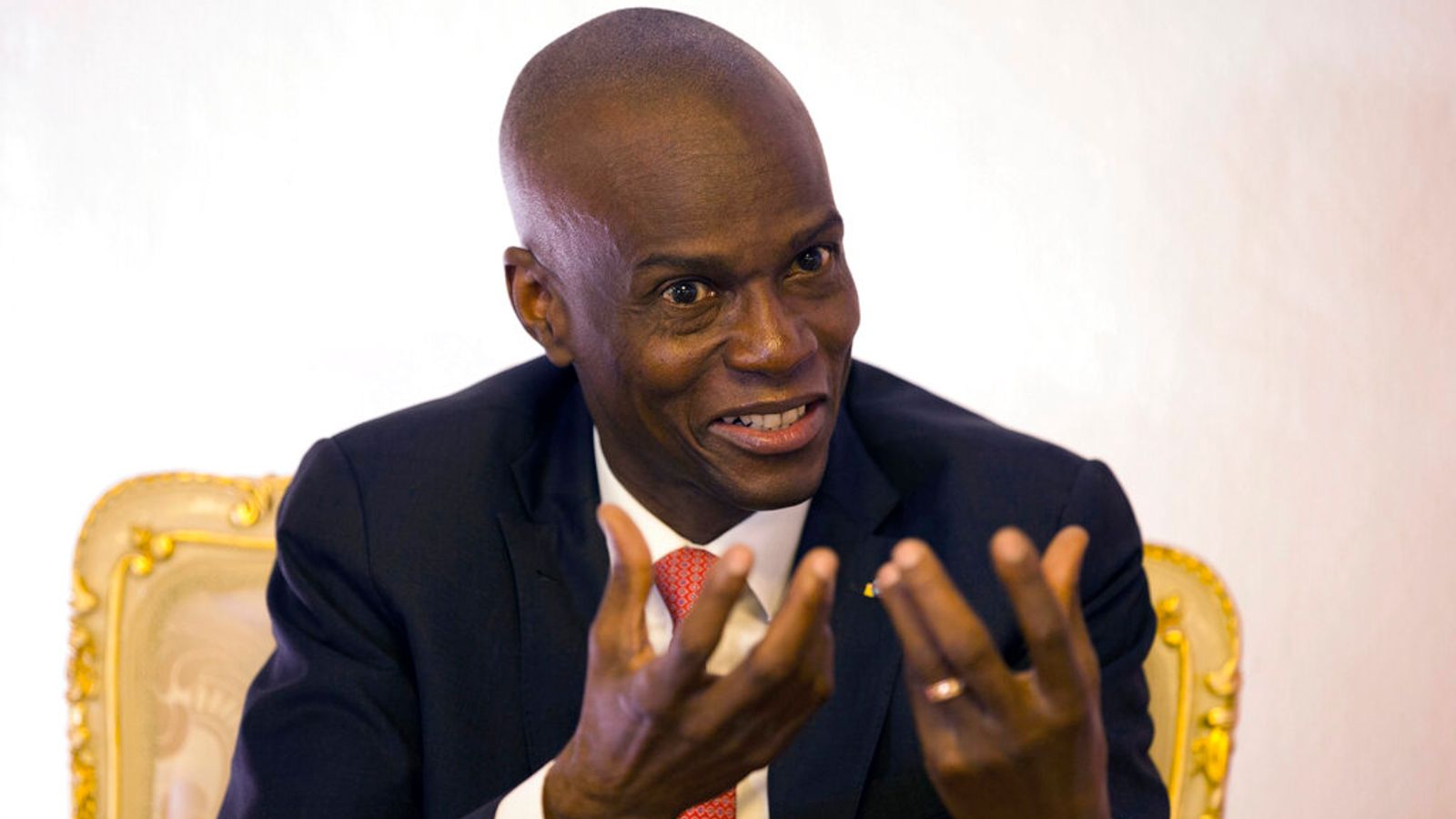
Eighteen suspects linked to the 2021 assassination of Haitian President Jovenel Moïse have been flown from Haiti to the United States aboard a military aircraft to face trial. US authorities say 30 people have been indicted in connection with the killing.
Eighteen suspects linked to the 2021 assassination of Haitian President Jovenel Moïse have been flown from Haiti to the United States to face trial, marking a major new phase in the international prosecution arising from the killing.
The suspects were transported aboard a military aircraft on Sunday, September 20, according to US Attorney Jason Reding Quiñones of the Southern District of Florida.
Quiñones said the transfer represents the next major phase in efforts to hold those allegedly responsible for the assassination accountable.
US authorities say 30 people have now been indicted in connection with the killing.
SUSPECTS TO FACE PROCEEDINGS IN FLORIDA
The 18 suspects are expected to face proceedings in the Southern District of Florida, where US prosecutors have already pursued several cases arising from the assassination.
Authorities did not immediately release a complete list of the suspects transferred on Sunday.
The move brings individuals who had been held in Haiti into the US federal court system after years of investigations and legal proceedings surrounding one of the Caribbean's most consequential political assassinations.
The FBI said authorities remain committed to pursuing individuals suspected of financing, facilitating or participating in the plot.
MOÏSE ASSASSINATED AT HIS HOME
Moïse was assassinated on July 7, 2021, when an armed group entered his private residence outside Port au Prince.
The 53 year old president was fatally shot while his wife, Martine Moïse, was seriously wounded.
His killing plunged Haiti deeper into political instability and triggered investigations involving authorities in Haiti, the United States and Colombia.
Questions over who ultimately ordered the assassination and the full motives behind the operation have continued for years.
FOUR MEN CONVICTED IN MIAMI
The transfer comes months after four men were convicted in a federal court in Miami over their roles in the plot.
In May, a jury convicted Arcangel Pretel Ortiz, Antonio Intriago, Walter Veintemilla and James Solages.
US prosecutors said the defendants participated in a conspiracy that initially considered kidnapping Moïse before developing plans to assassinate him.
According to evidence presented during the trial, conspirators recruited former Colombian soldiers and obtained weapons, ammunition and tactical equipment for the operation.
The US Justice Department said the conspiracy involved individuals operating across the United States, Haiti and Colombia.
Several other defendants have previously pleaded guilty in the United States and received lengthy prison sentences.
30 PEOPLE INDICTED
US authorities now say 30 people have been indicted in connection with the assassination.
The cases represent one of the most extensive international criminal investigations arising from Haiti in recent years.
Investigators have examined the financing, logistics, recruitment and planning behind the attack.
American prosecutors have jurisdiction over portions of the alleged conspiracy because significant planning, financing and logistical activity allegedly occurred in South Florida.
TRANSFER SPARKS CRITICISM IN HAITI
The decision to transfer the suspects has also renewed debate over the state of Haiti's judicial system.
Prominent Haitian human rights activist Pierre Espérance criticised the transfer and argued that Haiti should have been capable of conducting such a major prosecution itself.
Espérance, executive director of Haiti's National Human Rights Defense Network, called for reforms that would allow complex cases of national importance to be prosecuted effectively inside the country.
Haiti has struggled with severe political instability, gang violence and institutional weakness in the years since Moïse's assassination.
A NEW PHASE IN THE CASE
Sunday's transfer does not conclude the investigation.
US authorities have indicated that efforts to identify and prosecute everyone allegedly involved will continue.
The 18 transferred suspects are entitled to due process, and allegations against those who have not been convicted remain to be determined in court.
Five years after Moïse was killed, the arrival of the suspects in the United States represents a significant expansion of the American prosecution and could bring additional evidence about the organisation, financing and execution of the assassination before a federal court.